
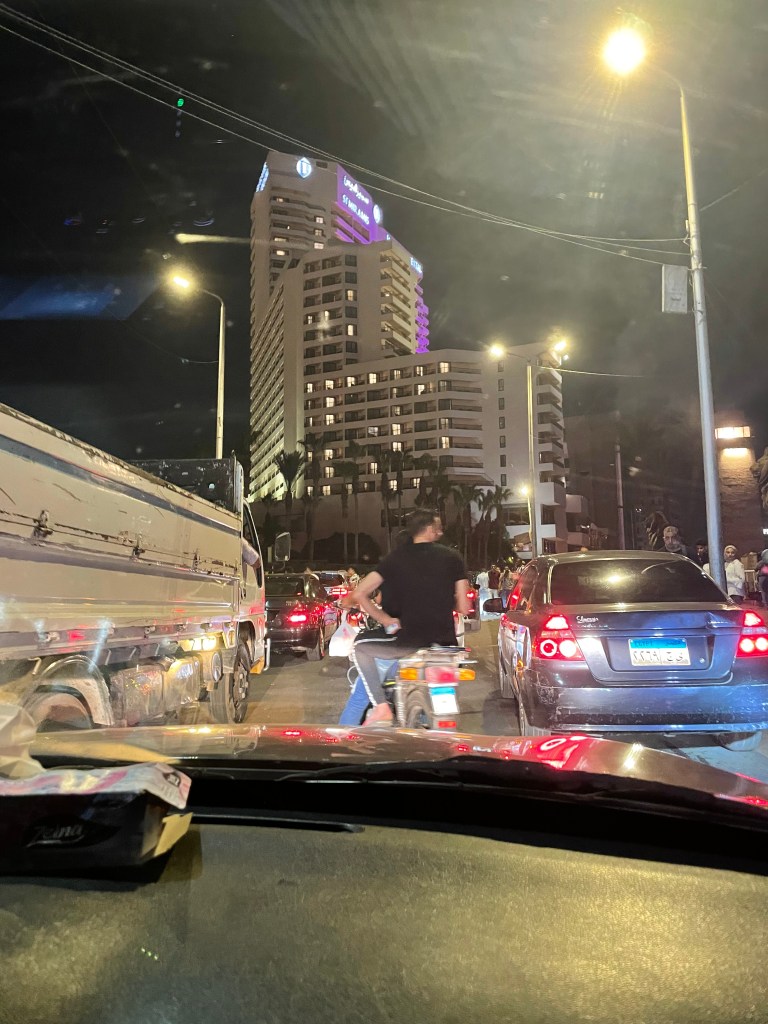
Cairo was beautiful with sights and sounds foreign to us Americans. From first impression, the city was constantly bustling at all hours of the night with river cruise entertainment along the Nile or casual night strolls. We were coincidentally visiting Cairo during one of their traditional feasts, Eid-al-Adha, so the streets were crowded and lively. The people are incredibly kind and fascinated to see Americans tourists since those who visit (very few during the low season) are typically from Europe or other parts of Egypt. The food is a combination of lamb, beef, and chicken mixed into several dishes, along with grape leaves, rice, eggplant, and other spices common to the Middle East. Later in the post, I will describe the cuisines that we had during our trip to Cairo. We had the opportunity to meet new friends and reunite with old ones that we became friendly with in the United States.
It is very common to see women in hijab or fully covered, some without covering their hair and some covering their entire bodies including their face, hands, and feet, so when traveling, I tried to where clothing that was slightly more conservative while also taking into account the major heat that can reach 110 degrees Fahrenheit. It is also very common to hear praying throughout the city five times a day per custom. Although Egypt is a democracy, the muslim people that I have encountered take Islam seriously and will pray five times a day, celebrate the feasts, and live according to the Quran unlike the US where separation of church and state can be extremely prevalent in certain cases. It was fascinating to learn and be a part of their customs for a few days. They were so kind and willing to share their knowledge.
Day one:
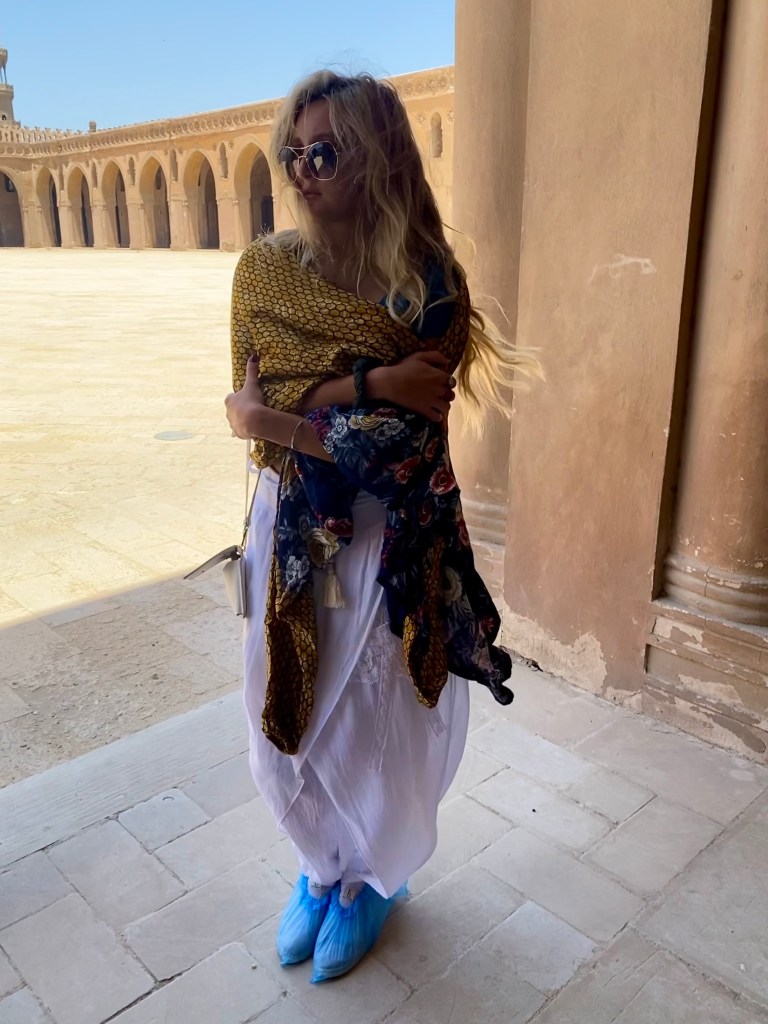
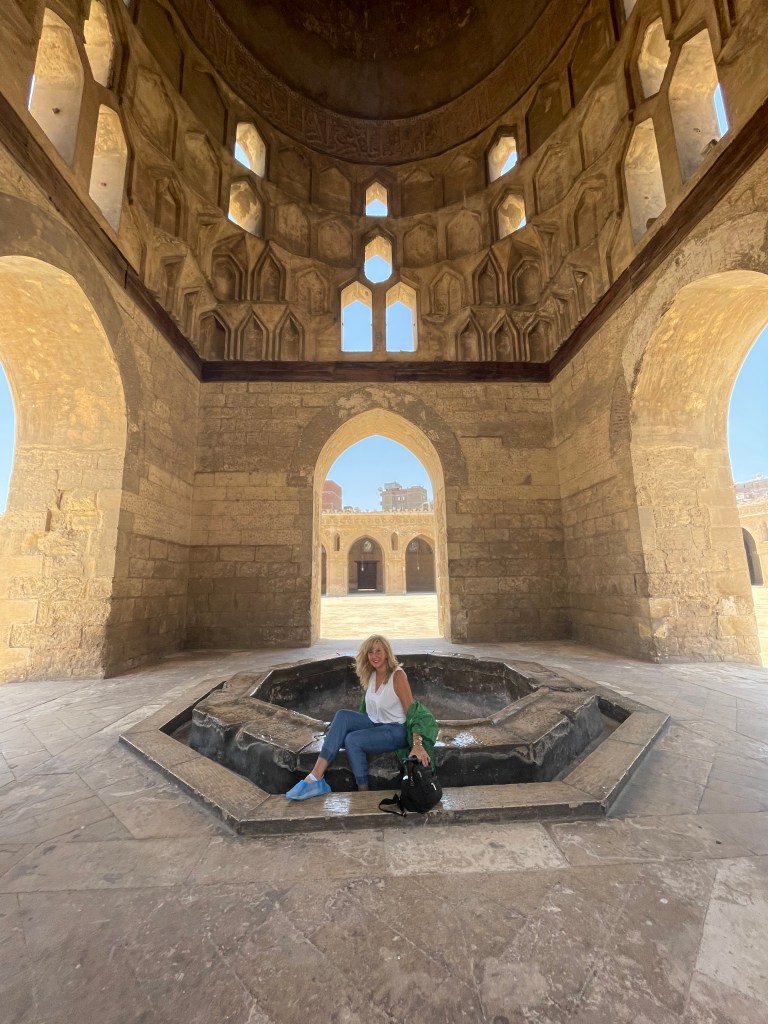
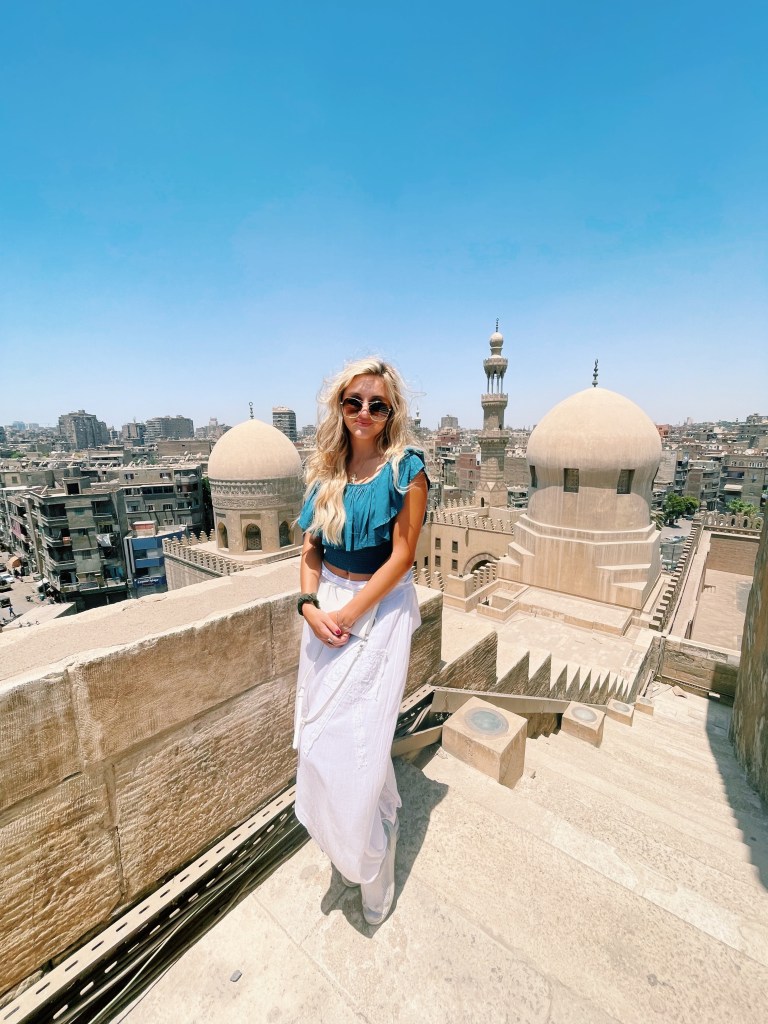
Ibn Tulun Mosque: We arrived very late at night July 19th, 36 hours after traveling and stayed at the Ritz Carlton in Cairo for four nights. After getting adjusted to the 7 hour time change, we were up and ready to go the next day to go to the Ibn Tulun Mosque, one of the oldest in the Islamic World. While we entered, all the women had to cover up as custom in the Islamic religion and and take off our shoes when inside. We entered as the prayer began to commence, one of the five times that the Muslims would pray a day. This mosque was built between AD 876 and 879 by Ibn Tulun himself, who was sent to rule the outpost of Al Fustat in the 9th century by Abbasid caliph of Baghdad. The outer courtyard is quite expansive and hold an incredible amount of people during Ramadan to pray. Ibn Tulun mosque was one of the only places that did not flood from the Nile River every year (as the rest of Cairo did until the 1960 because there was no dam built to stop the flooding). The mosque was once used as a school, a court room and a religious gathering places, until modern ways of governing became prevalent. From the top of Ibn Tulun facility you could see almost all of Cairo. It was truly impressive and had such amazing architectural significance, especially for its time.
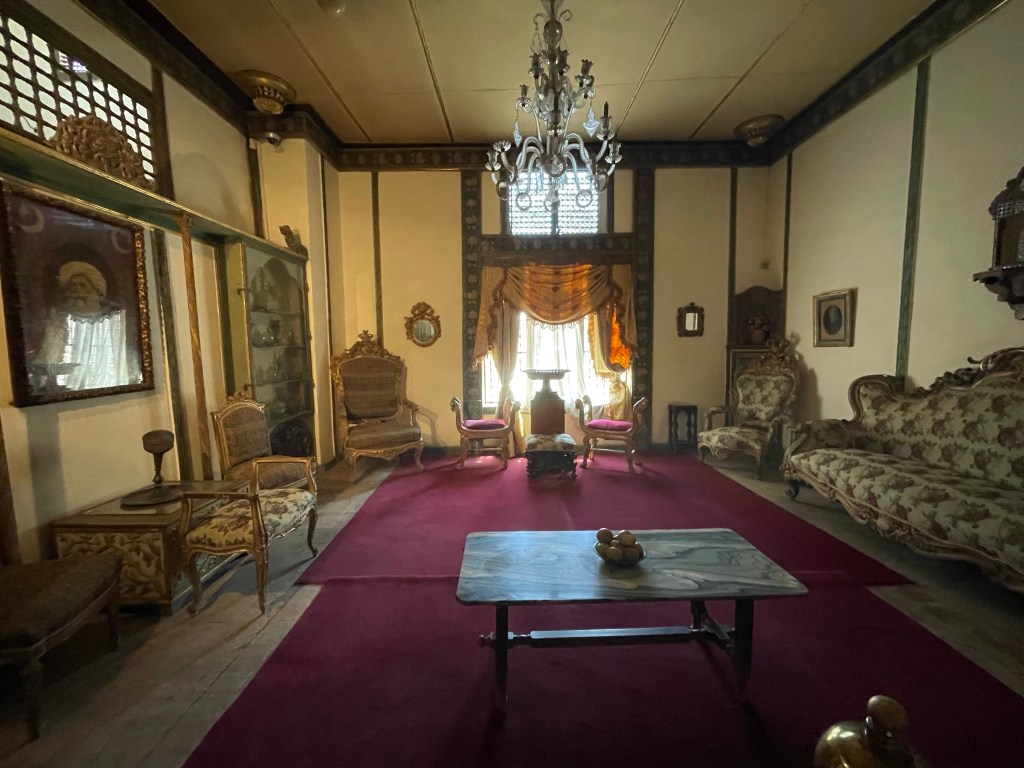
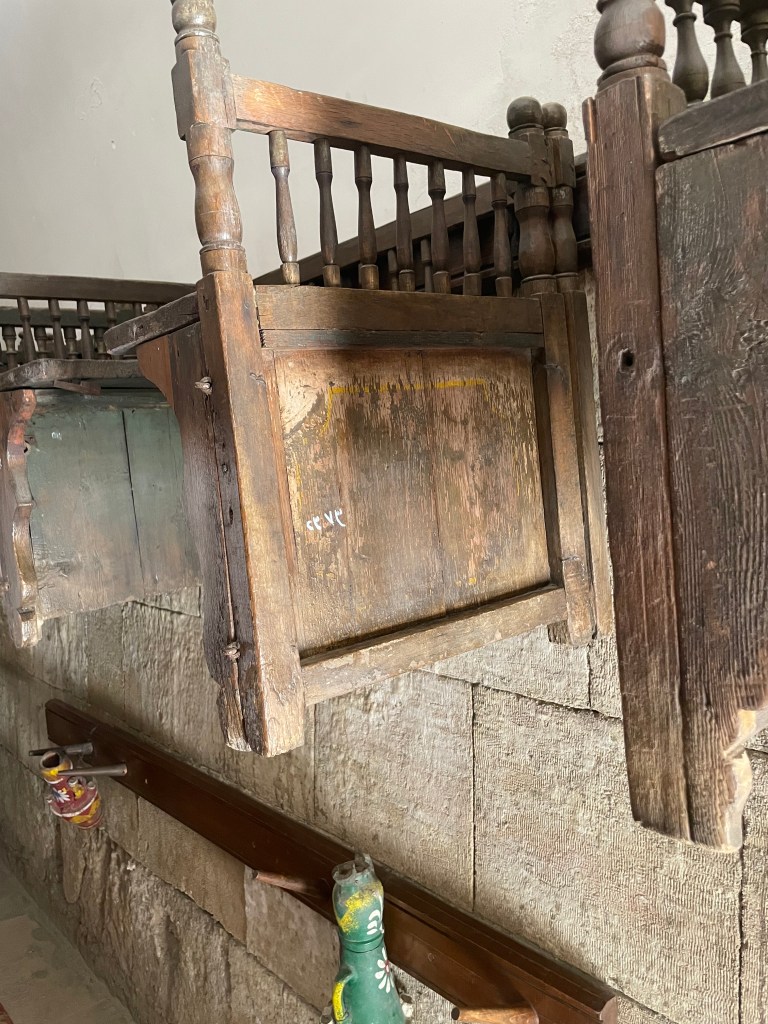
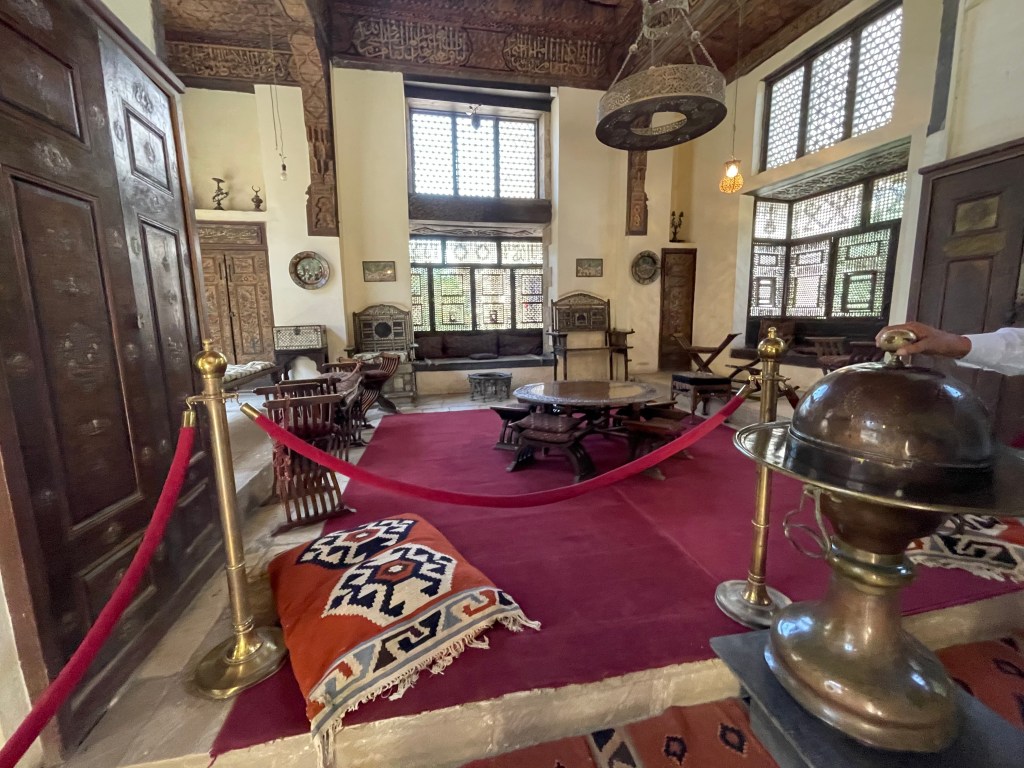
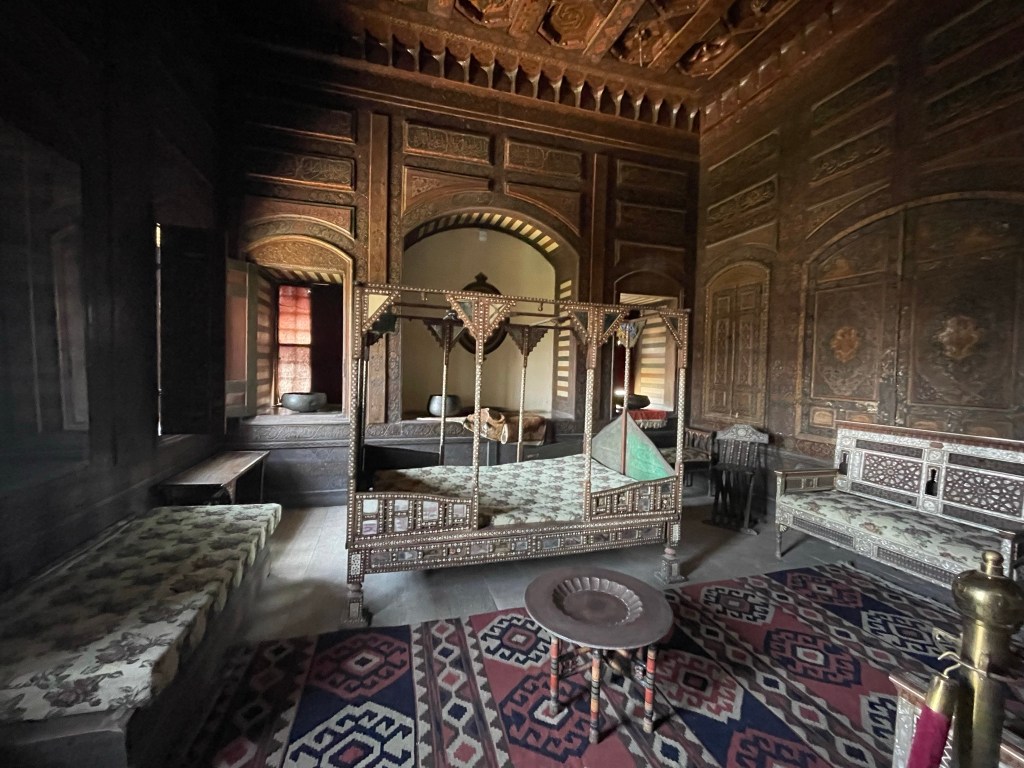
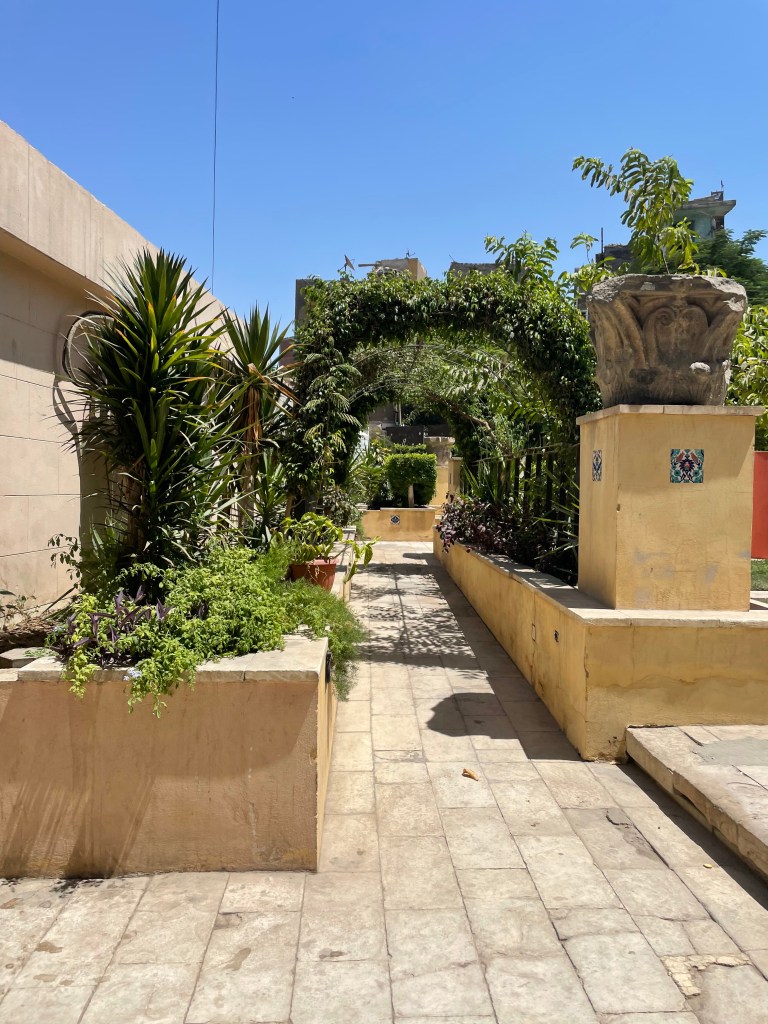
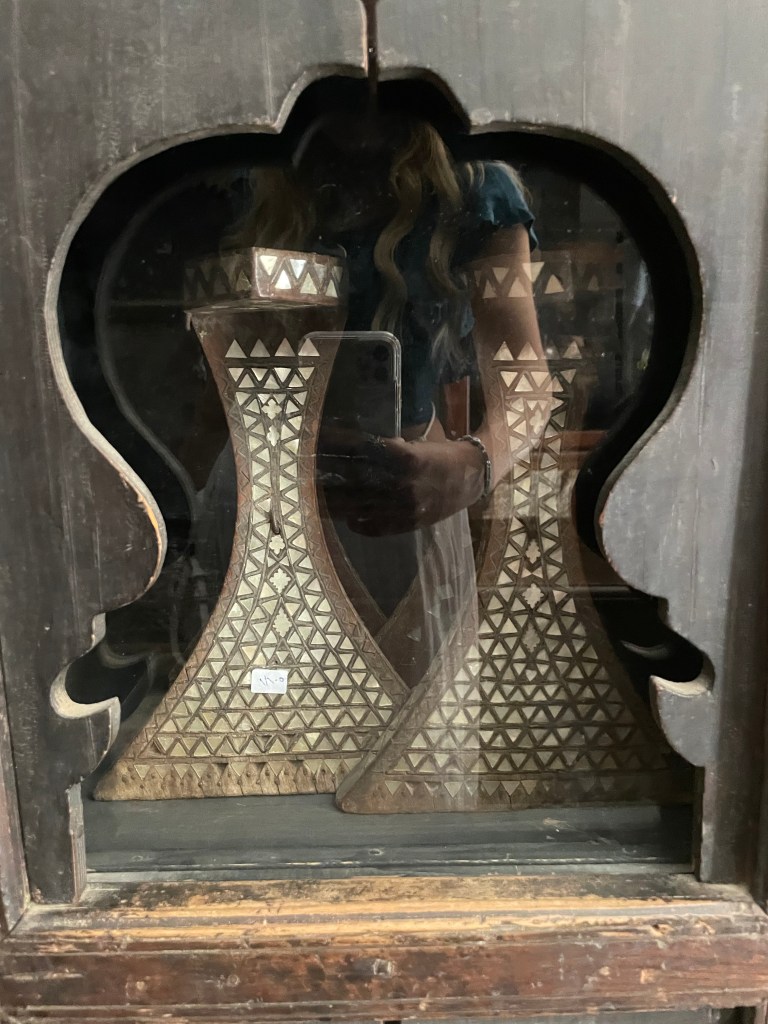
Gayer-Anderson Museum: Next we went to the Gayer-Anderson Museum right next to the mosque. The house is named after John Gayer-Anderson, a British major and army doctor who combined two 16th century houses and decorated them ornately with antiques, art and sculptures from all over the world from his travels. He eventually died in 1945 and signed off all his belongings to the Egyptian government for the Egyptian population to enjoy in museum form. The mansion consists of rooms decorated to resemble different cultures. There was a Persian Room, Queen Anne’s Room, Mashrabiyya, among others, with all different decor.
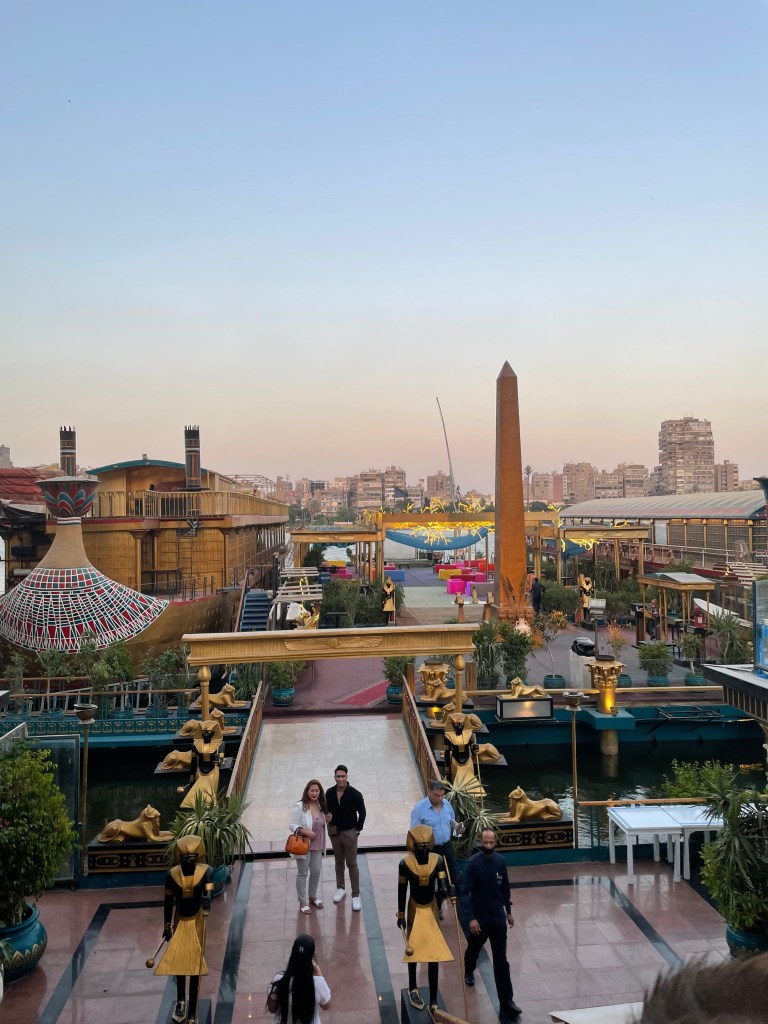
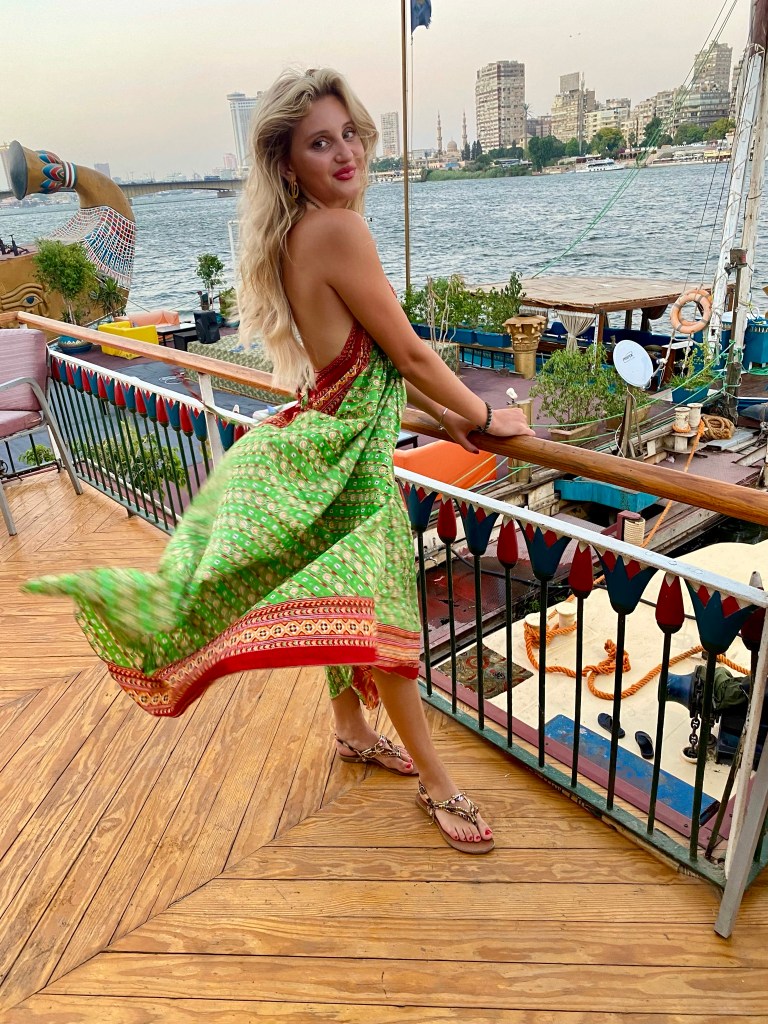
The Golden Pharaoh River Cruise: During the evening we took a river cruise down the Nile River with traditional Egyptian food, live entertainment, and really nice conversations with other guests, including natives from Cairo and an Egyptian/Beligian woman living in Europe.






Day two:
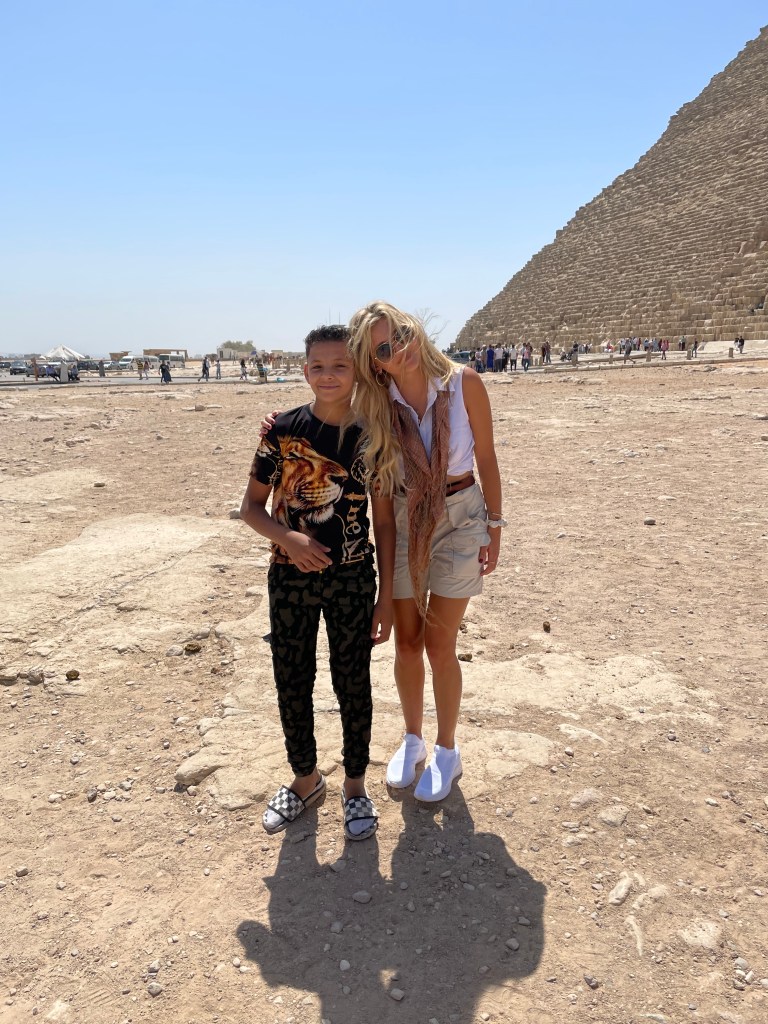
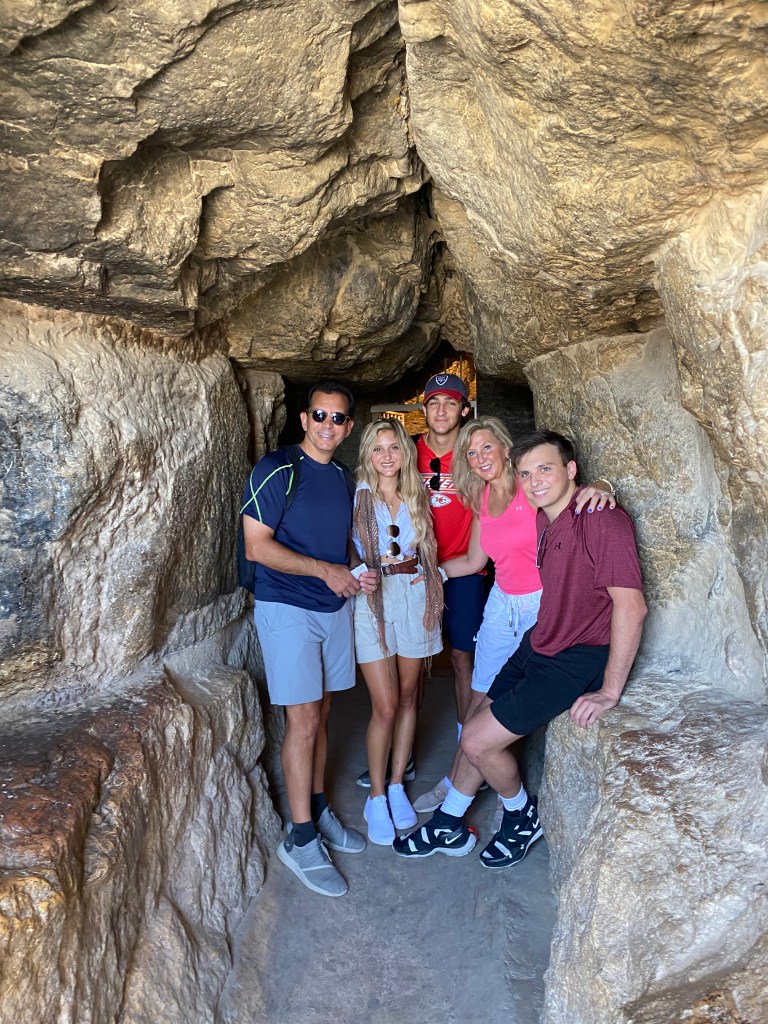
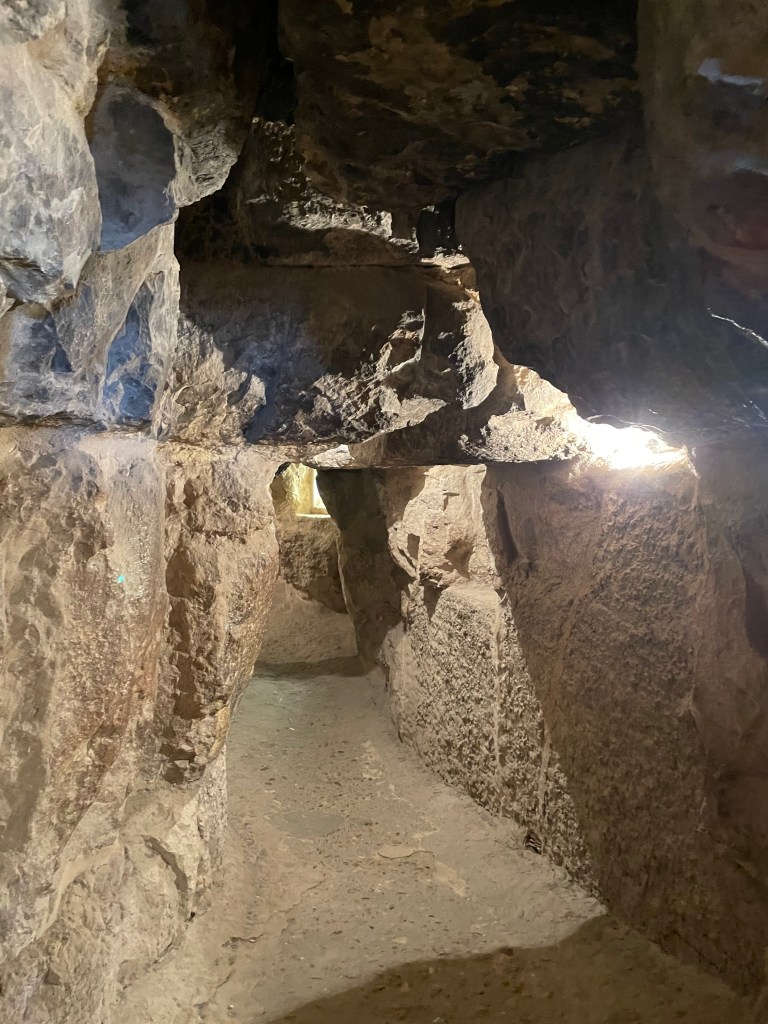
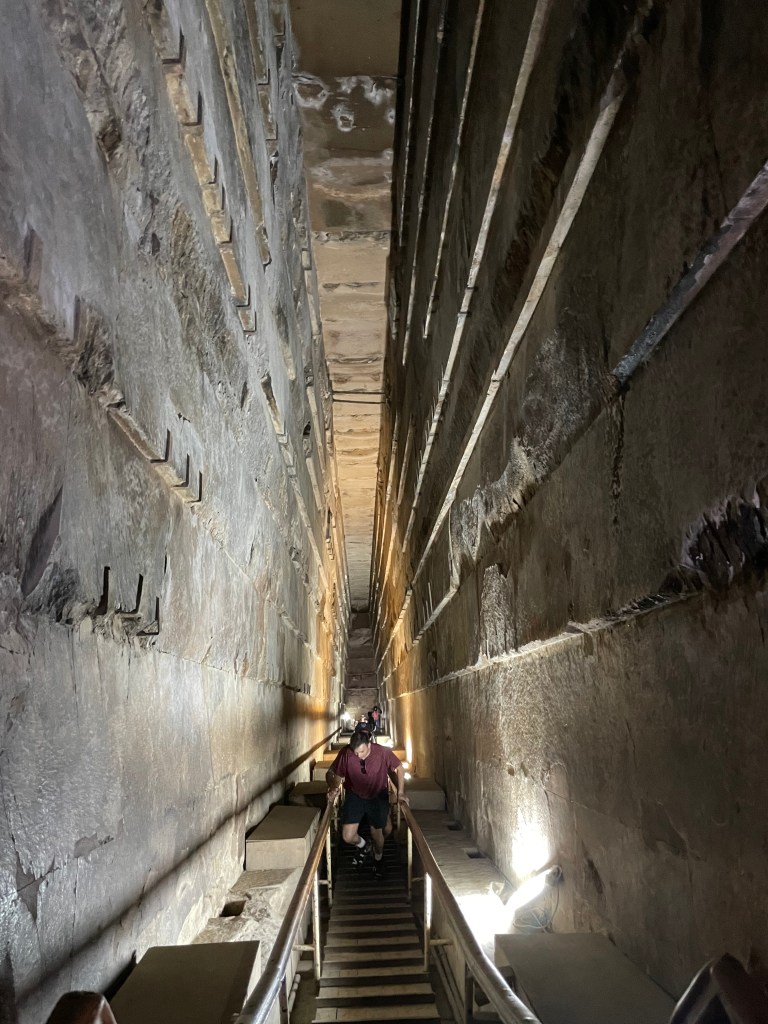
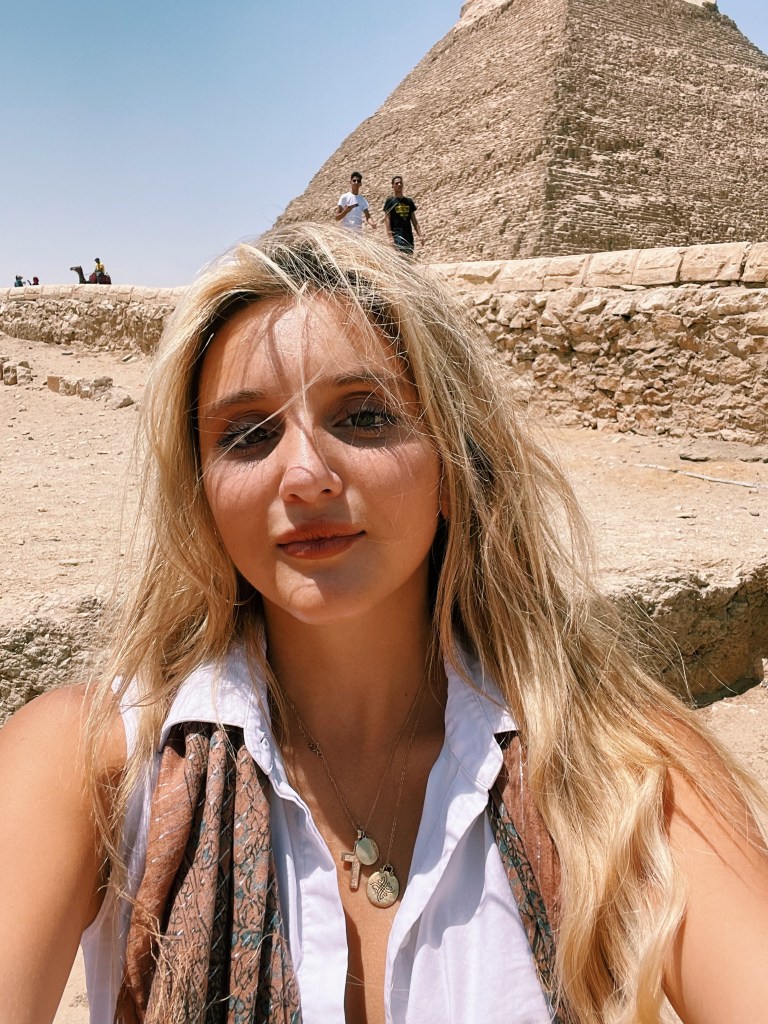
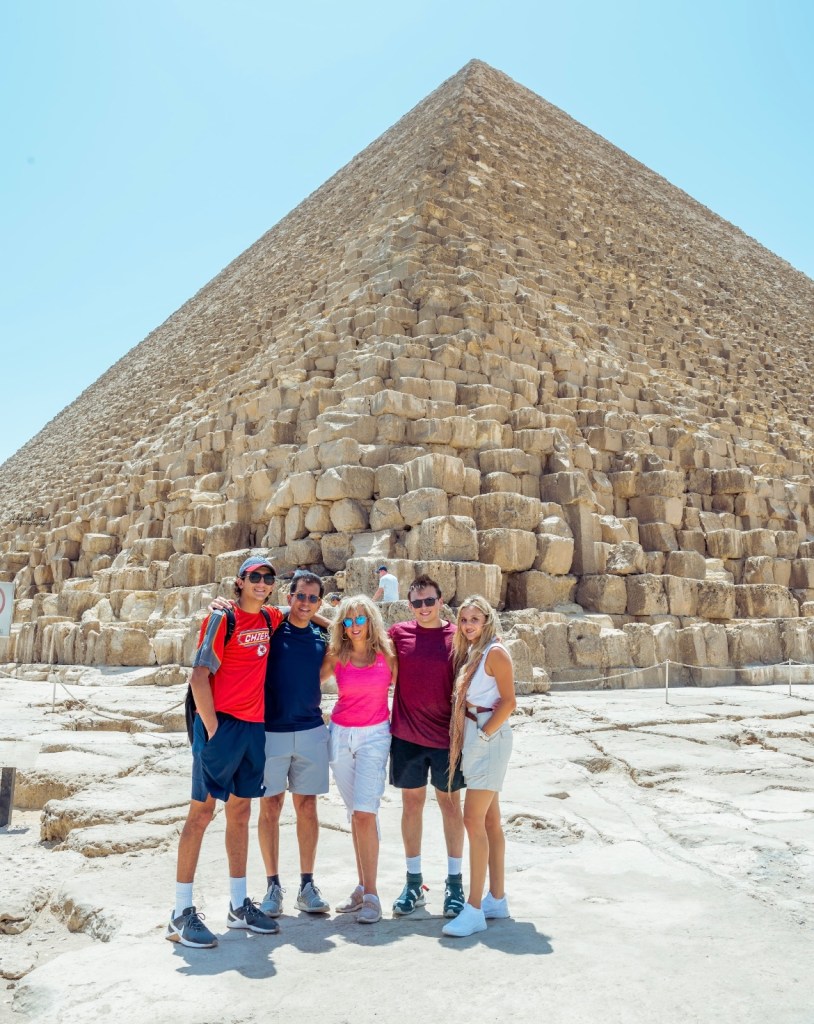
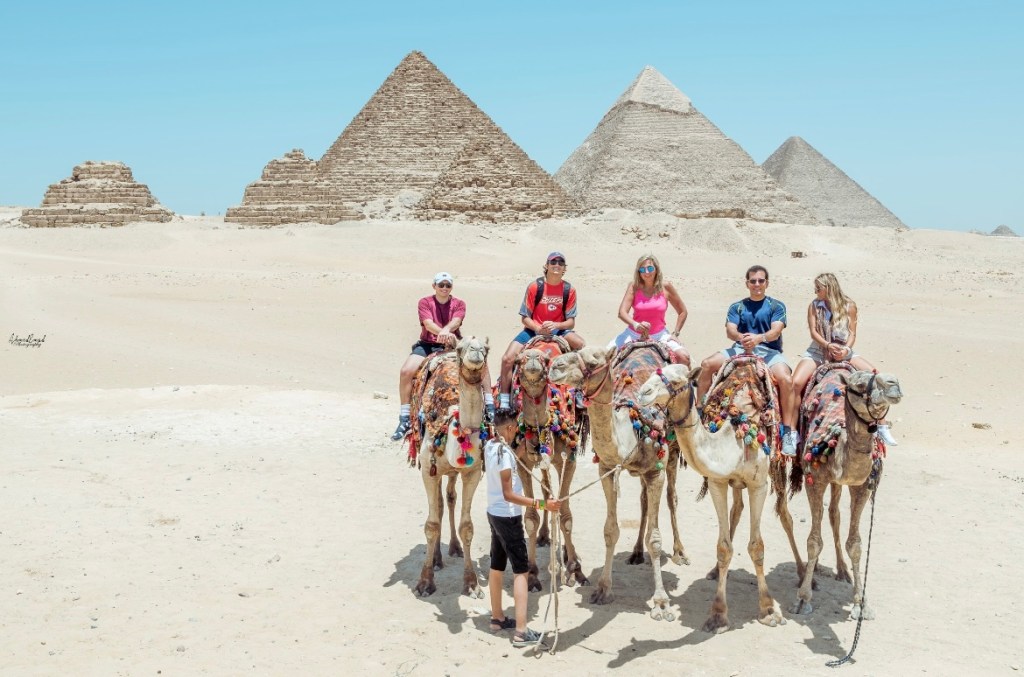
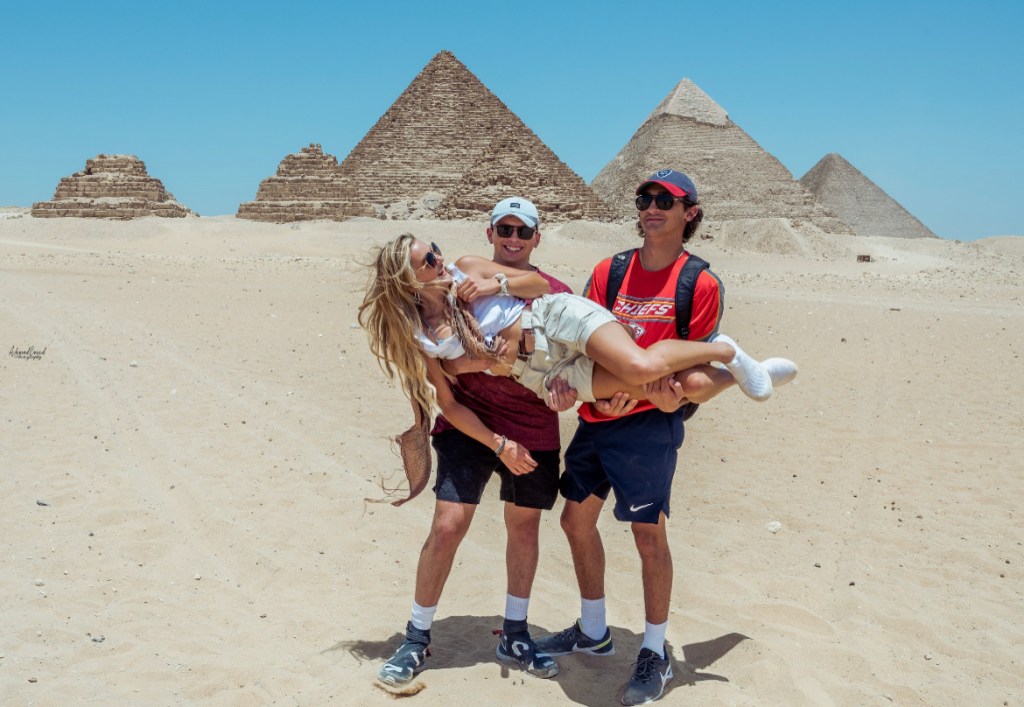
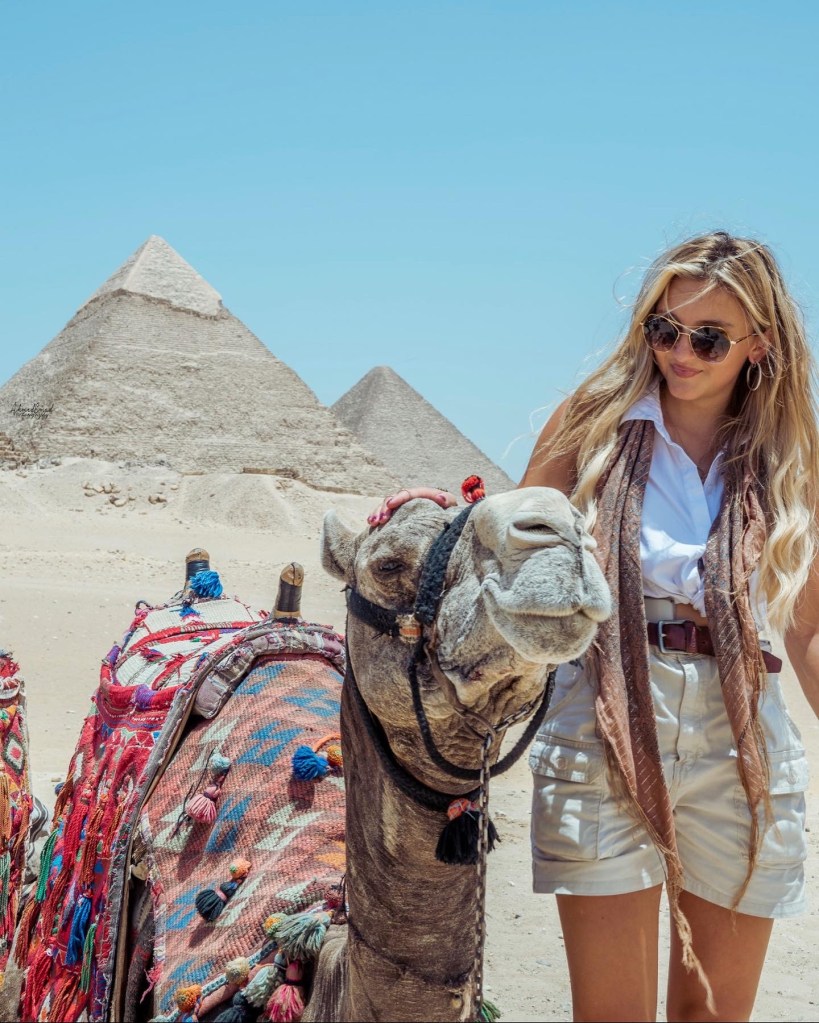
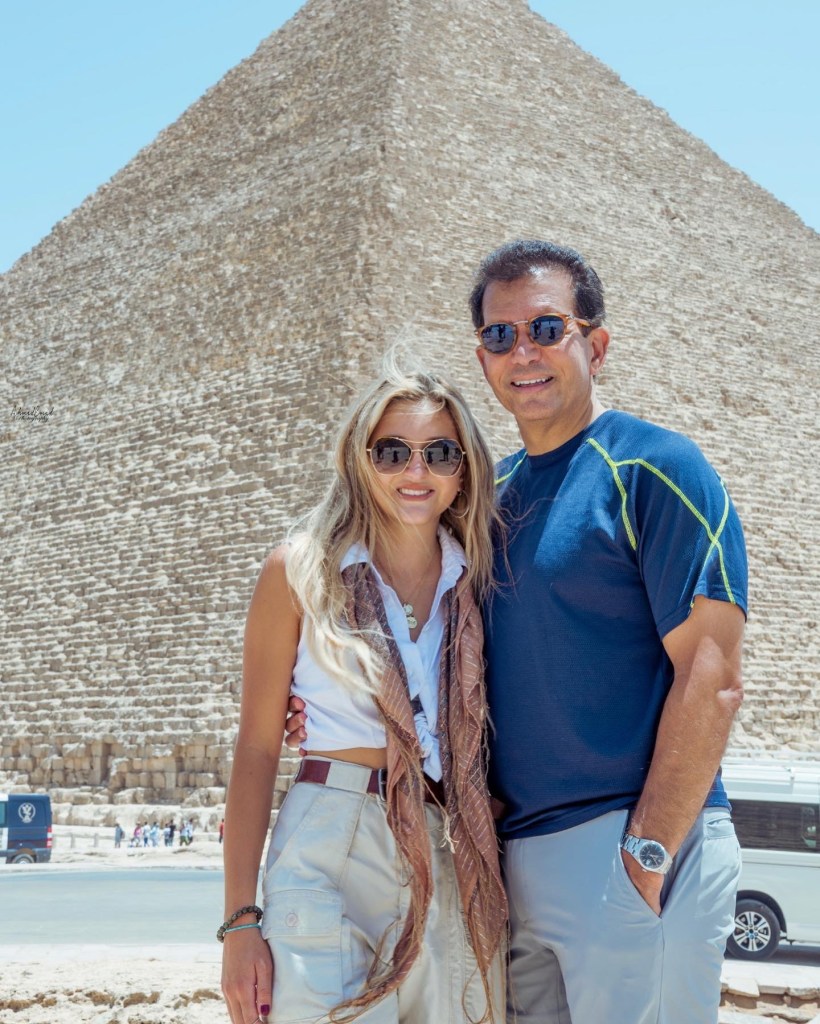
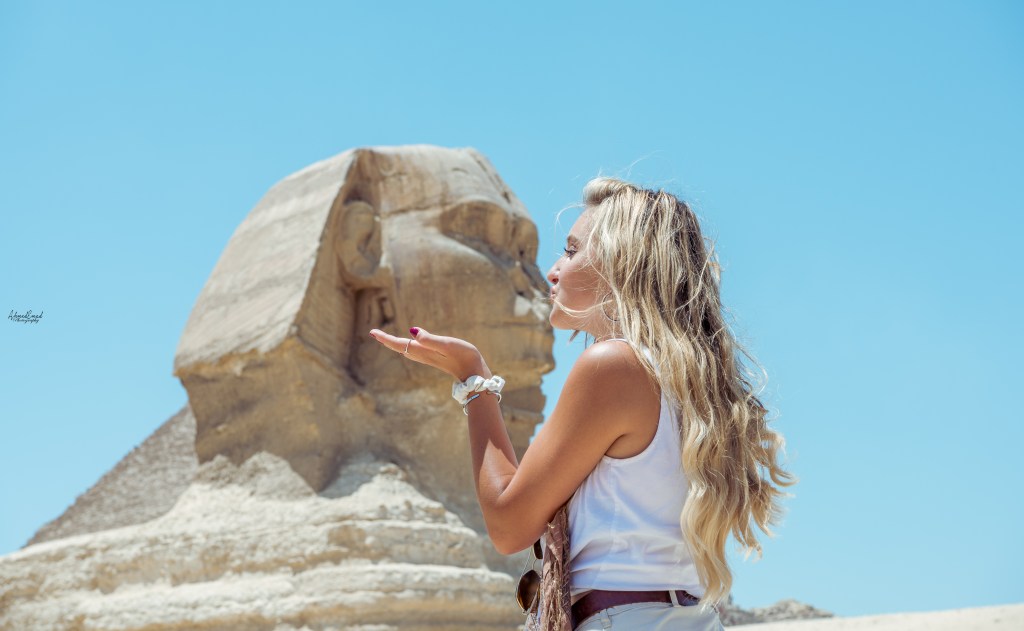
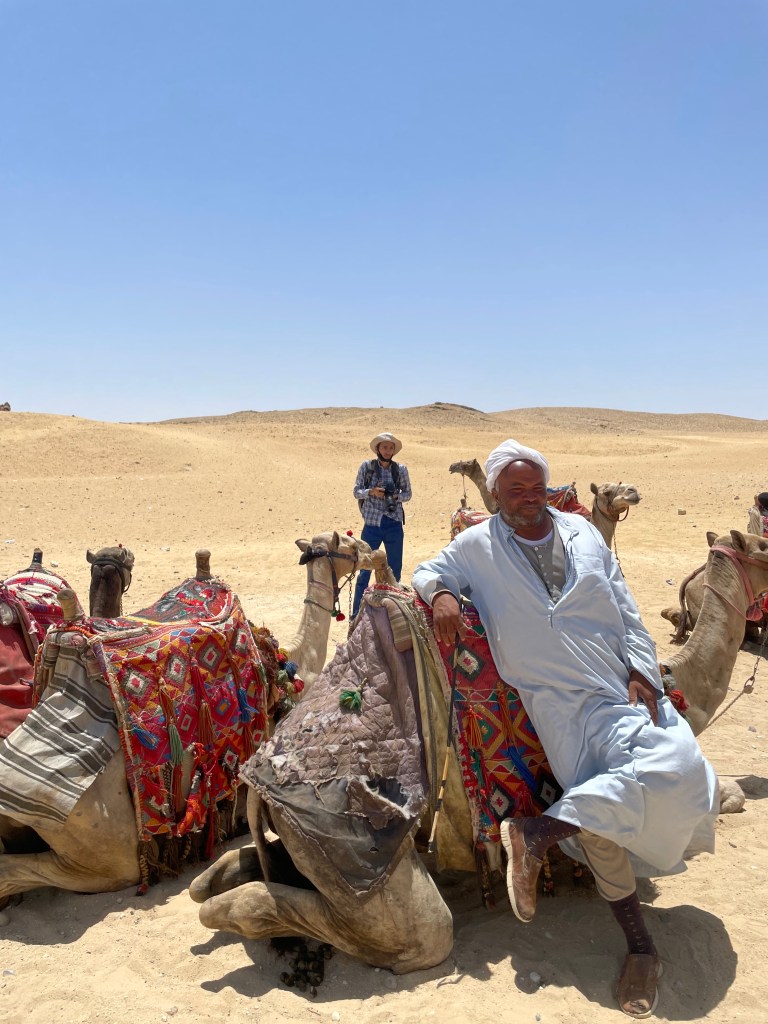
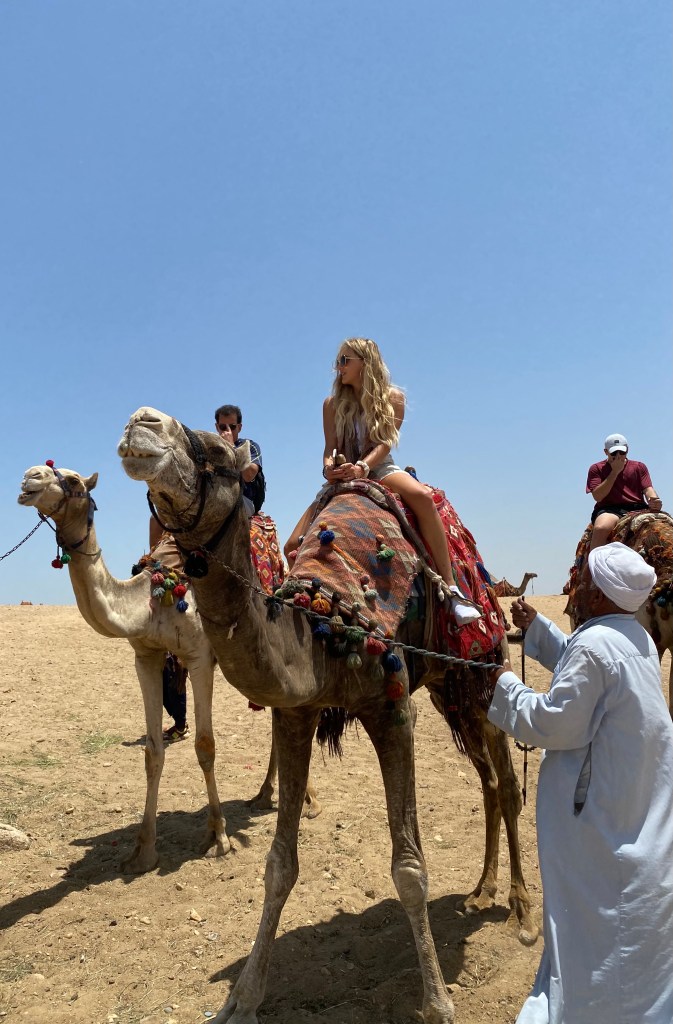
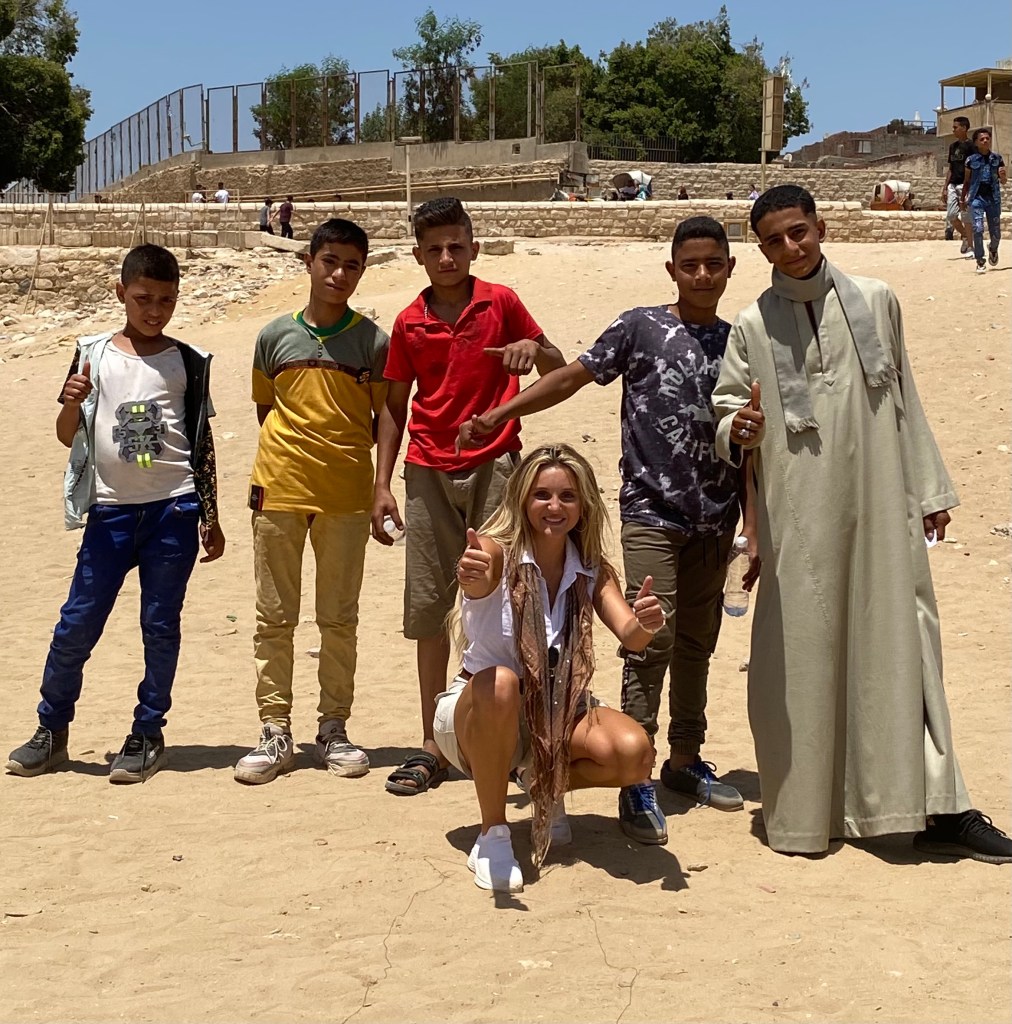
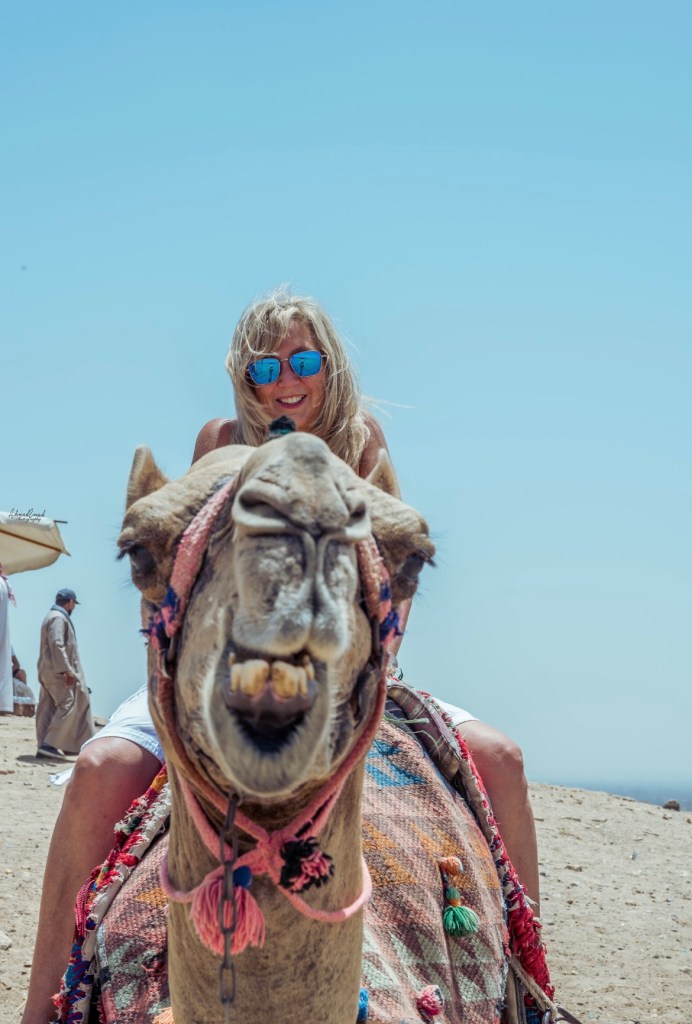
The Pyramids and the Sphinx: The Pyramids are the last remaining wonder of the ancient world. For nearly 4000 years, the Pyramids have represented the incredible achievements of the Egyptian civilization. We visited the Pyramid of Khufu, the oldest and largest in Egypt built in 2570 BC and has since shrunk slightly. We climbed inside this Pyramid into the Great Gallery. The climbing was very steep and and slightly compact. I would not recommend for anyone who is claustrophobic, afraid of heights, or has trouble climbing. Following, we saw the Pyramid of Khafre, smaller than Khufu but is perceived to be bigger because it is placed on higher ground and the Pyramid of Menkaure, the smallest of the three. We rode on camel back into the desert around the Pyramids for a clear look of all three of them before moving to the Sphinx.
The Sphinx, also known as Abu Al Hol, is pictured as a man with lion haunches. It was given the name Sphinx by ancient Greeks because it looked like their mythical winged monster that would kill anyone who could not figure out their riddle. It is considered the protector of the plateau.
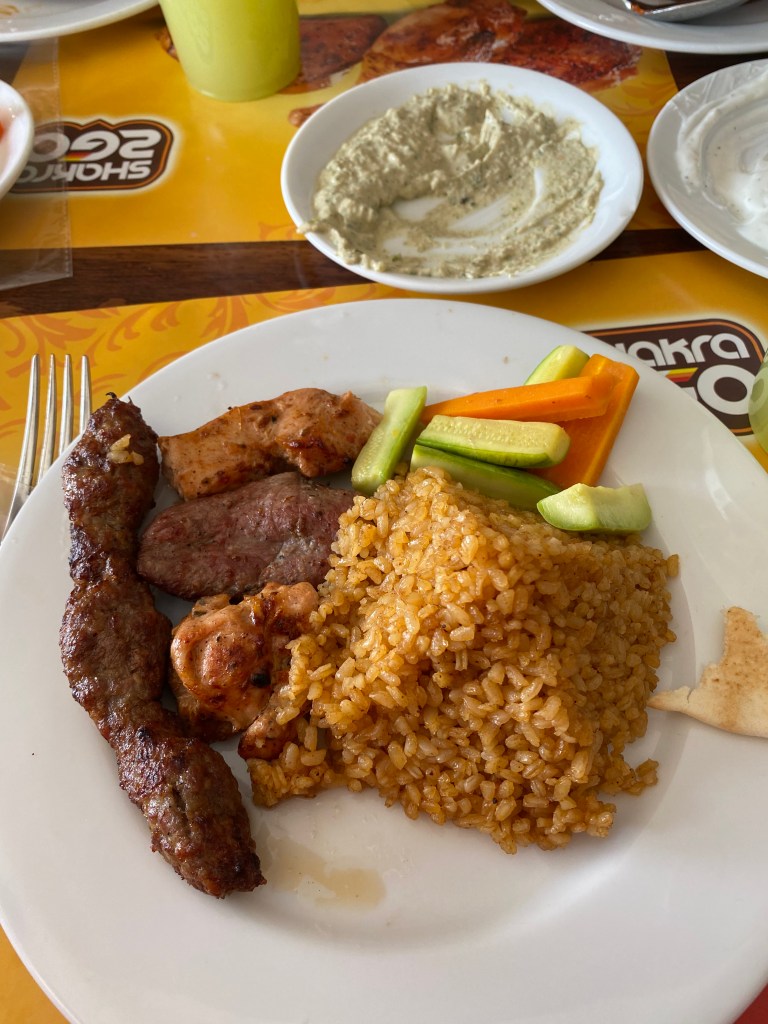
We had delicious Egyptian cuisine with a view of the Pyramids called Aboushaka we ate Khafta, shush kabob, rice, lamb, vegetables, okra, eggplant, and for dessert we had rice pudding.
The rest of the day we rested in the hotel and used the free time to swim and exercise.

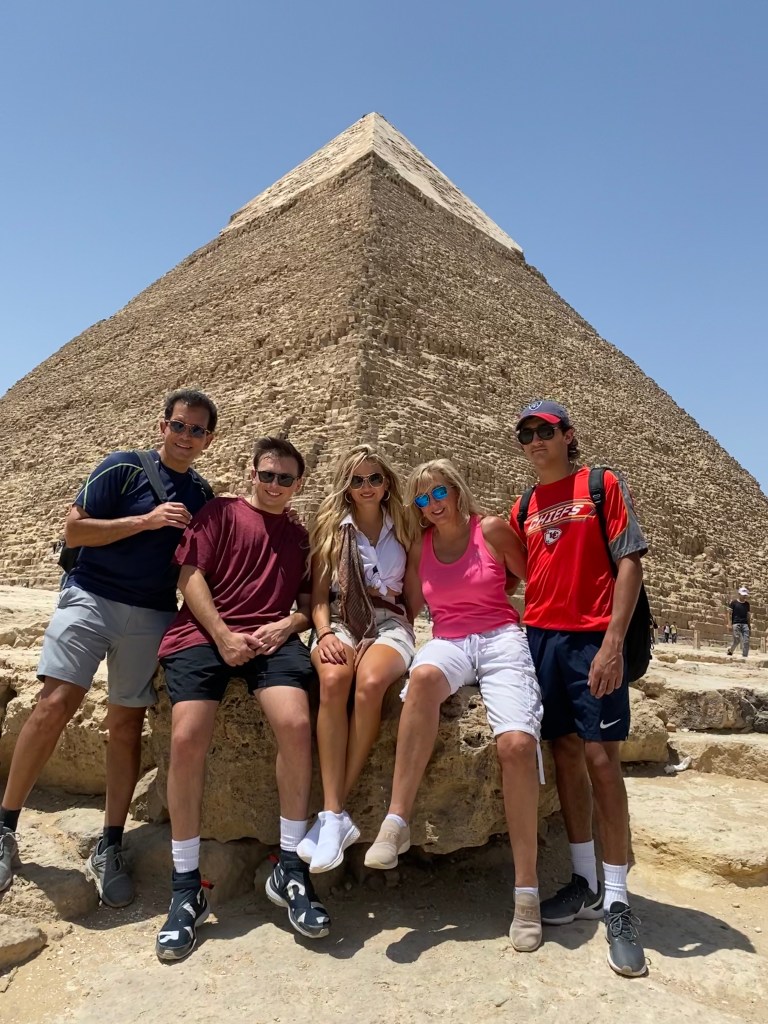
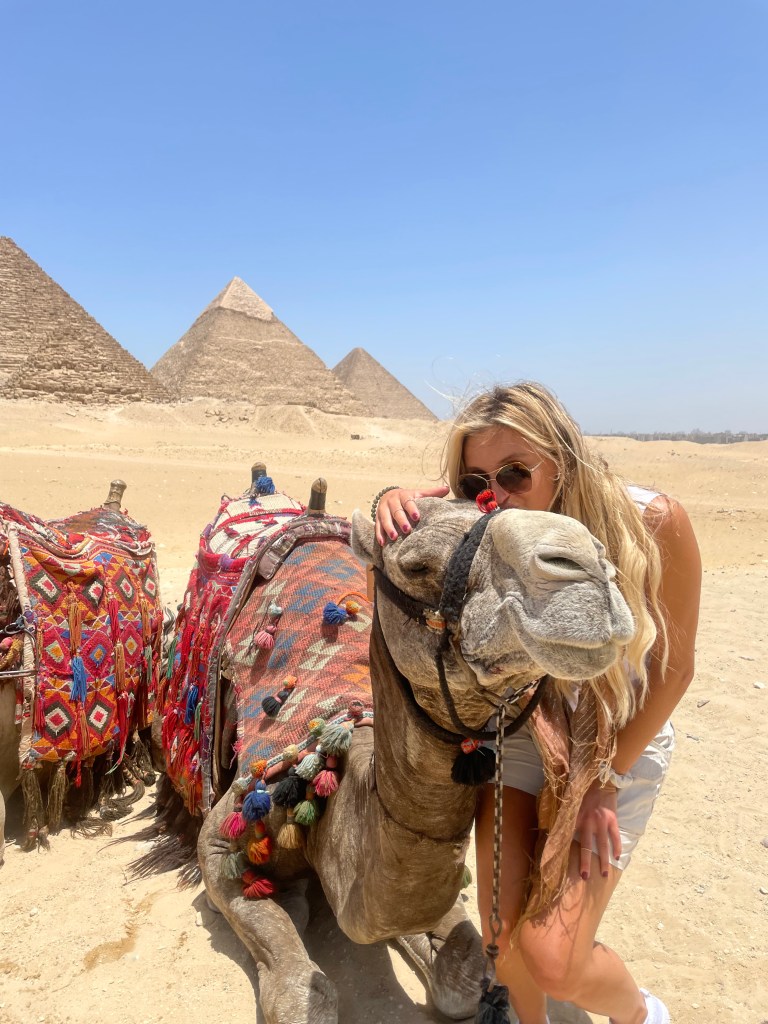
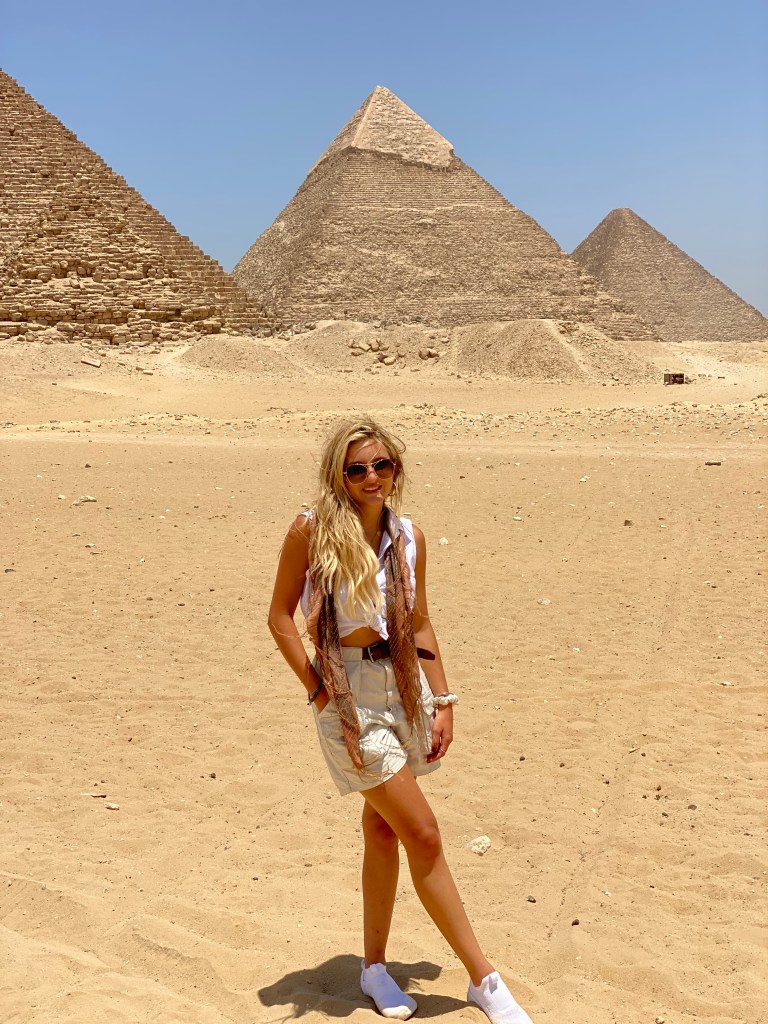
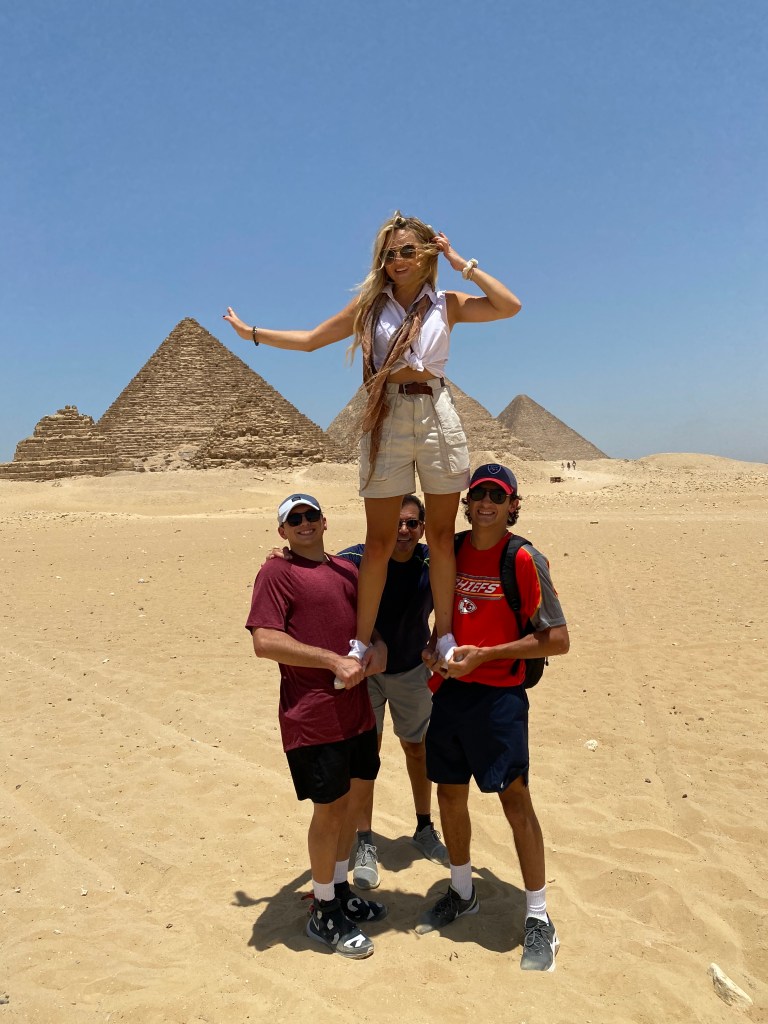



Day three
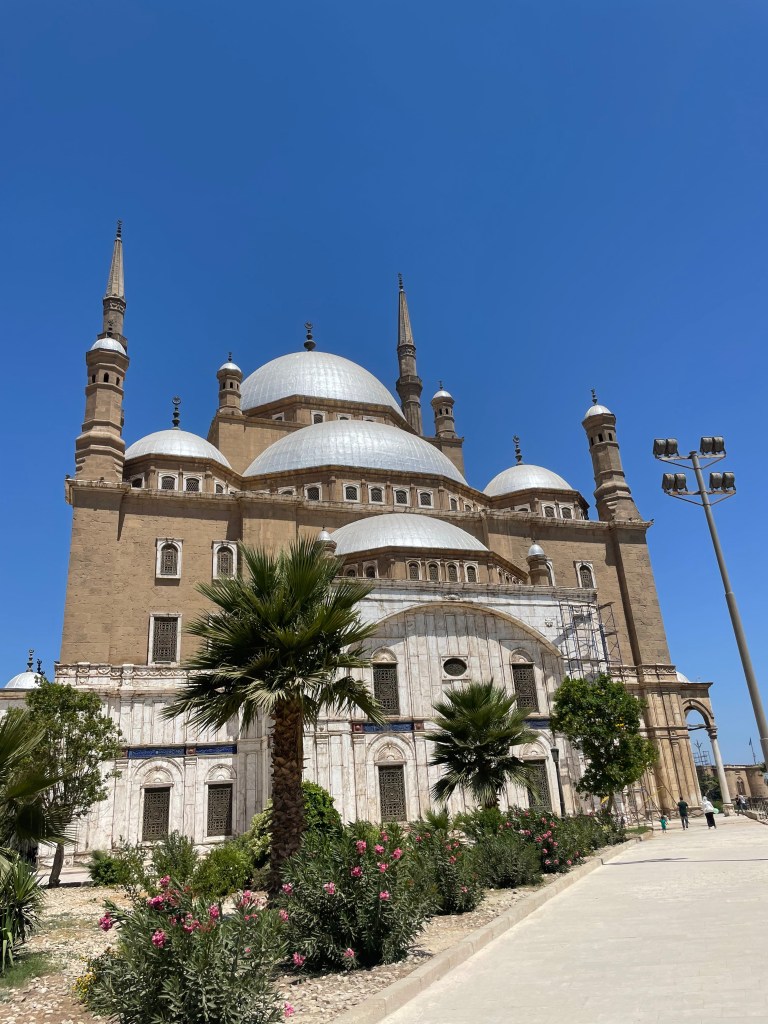
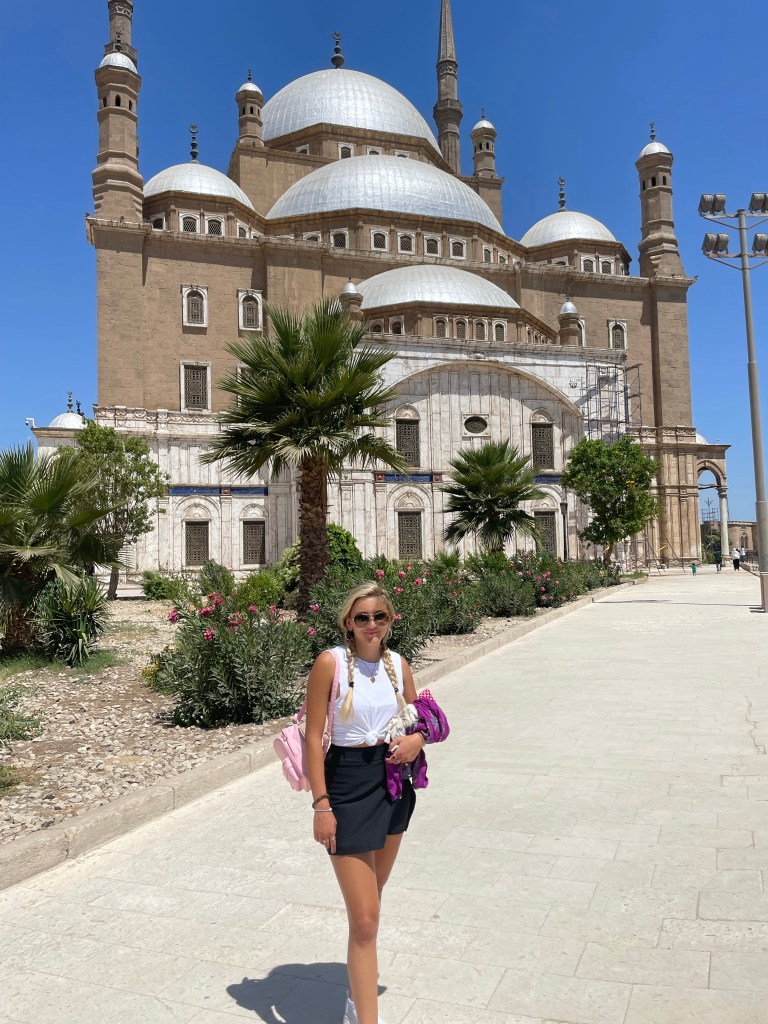
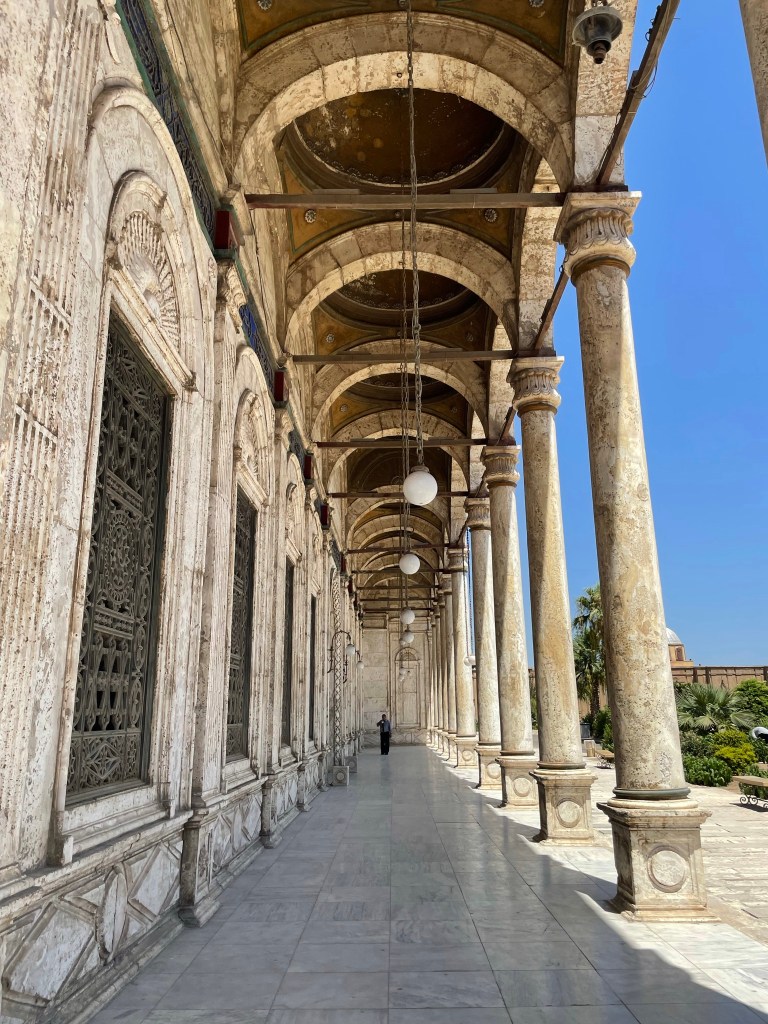
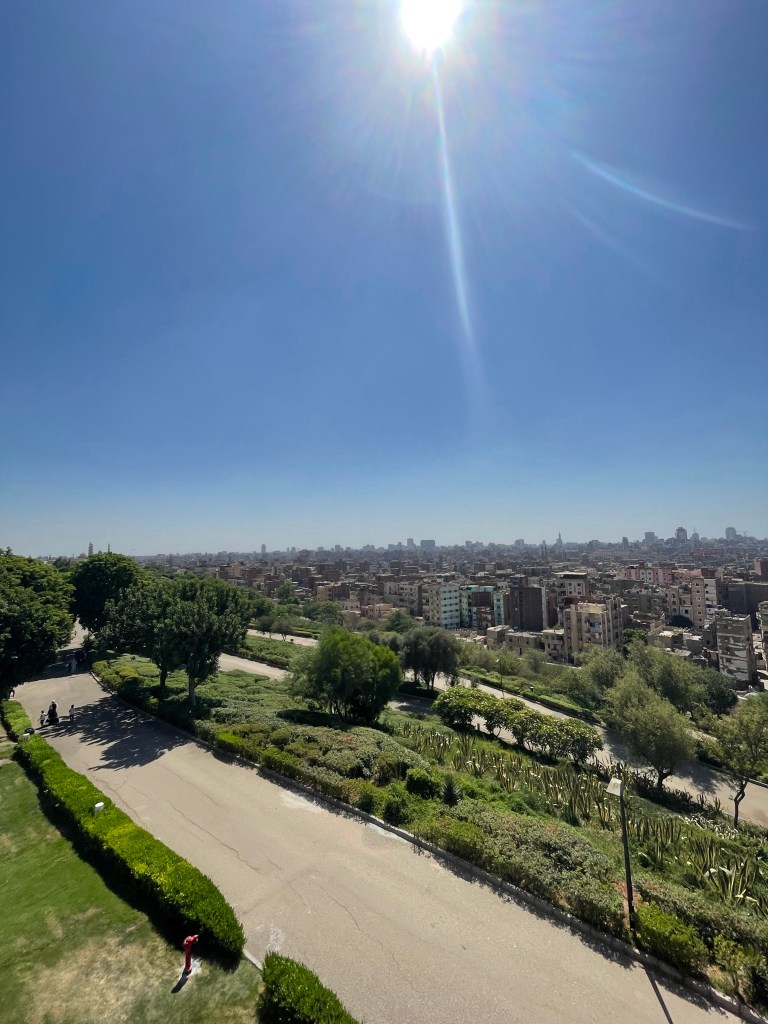
Mohammed Ali Mosque: This mosque was modeled on Ottoman lines. It took 18 years to build this mosque, from 1830 to 1848, and Mohammed Ali is buried in the interior of the mosque. It is stunning, ornate with gold, twinkling chandeliers, and beautiful stone, along with a view of all of Cairo, even spotting the Pyramids. Mohammed Ali ruled from 1804-1849 and was responsible for giving women the opportunity to go to school/ have outstanding professions as doctors, nurses, etc.
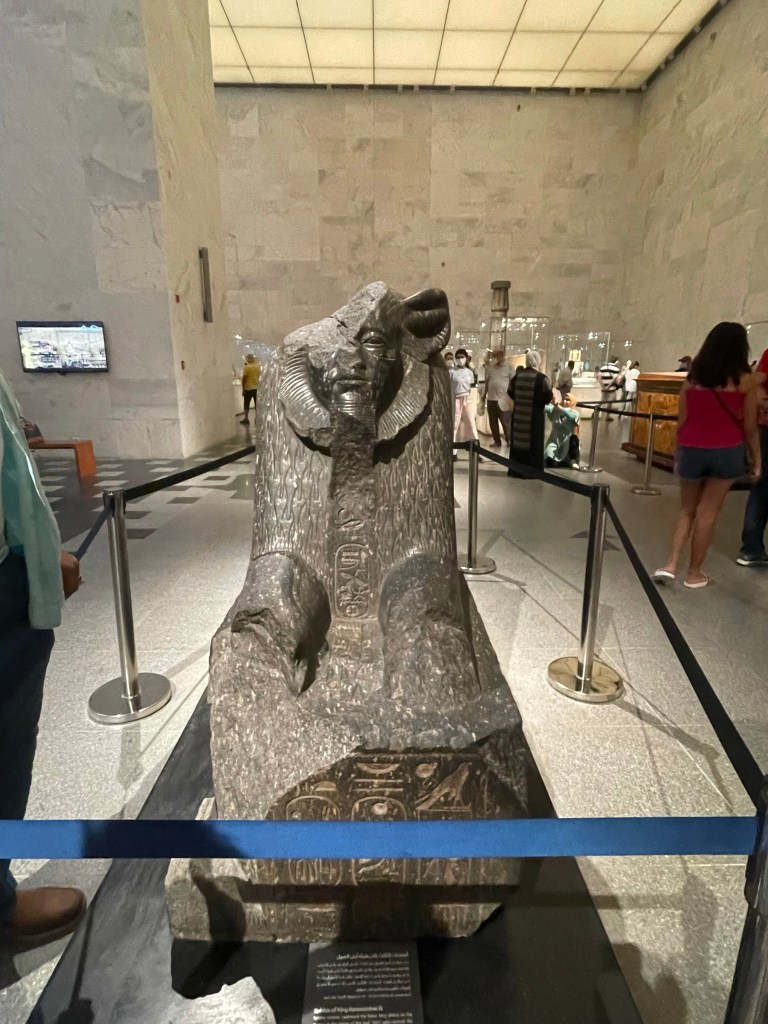
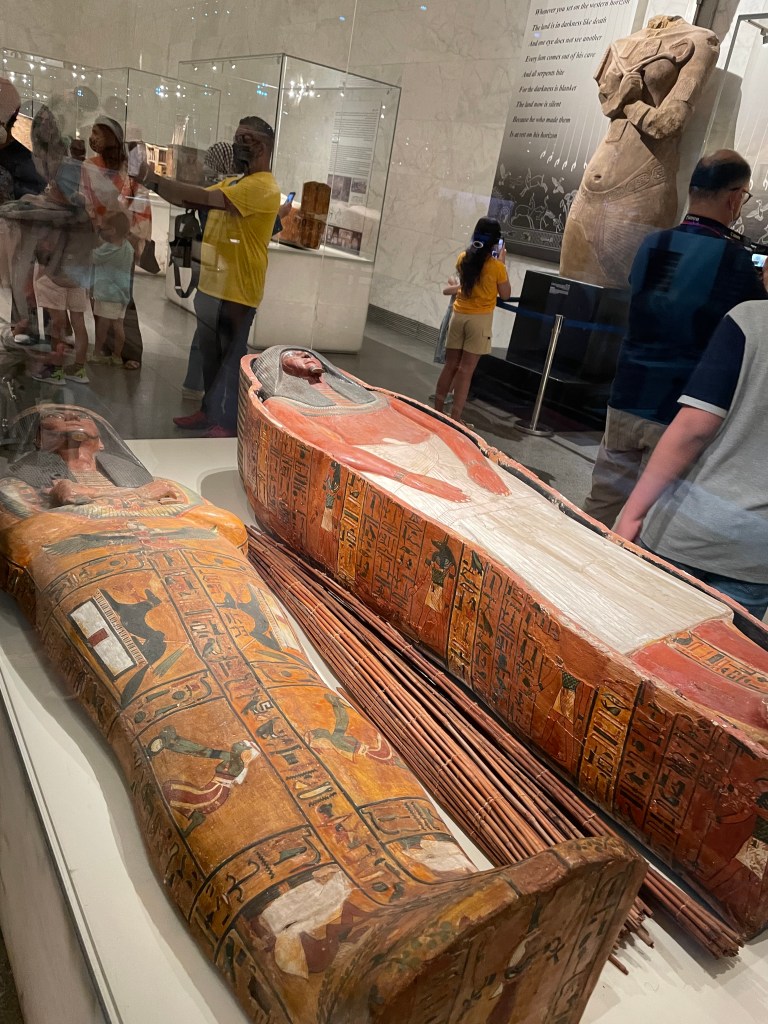
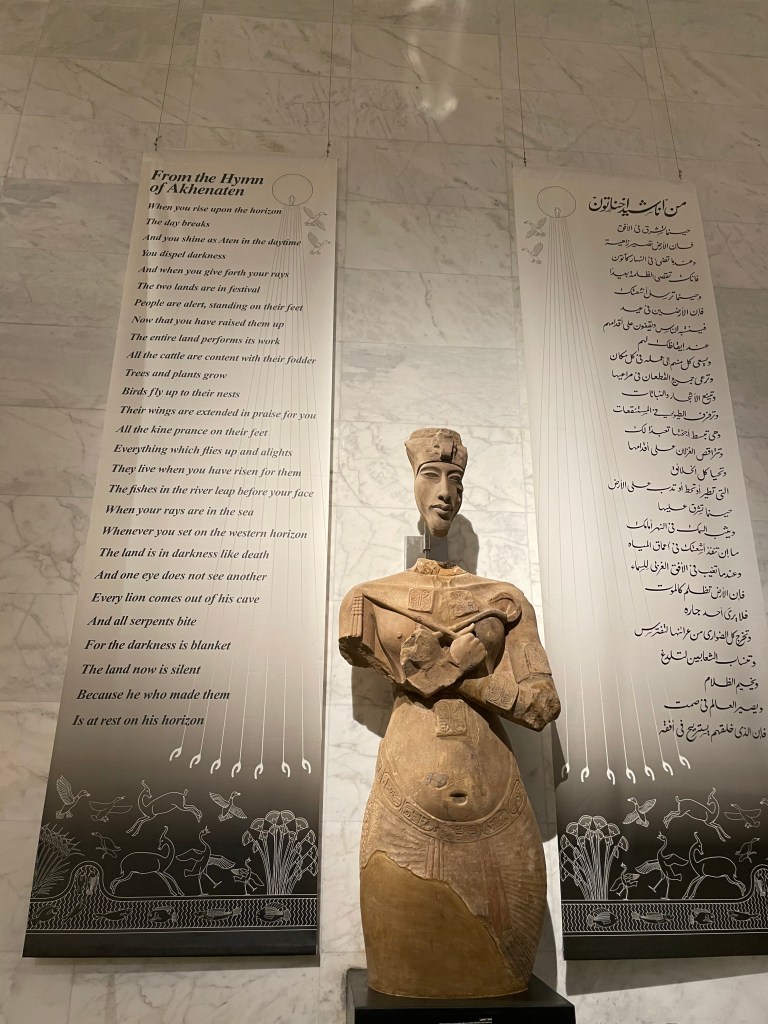
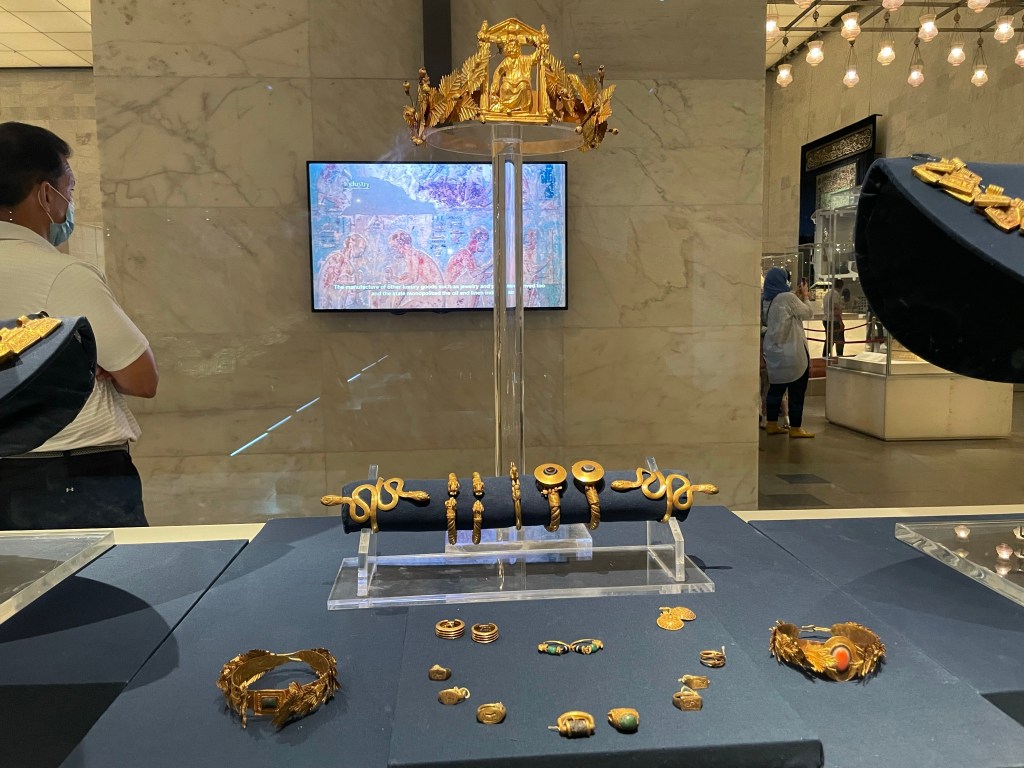
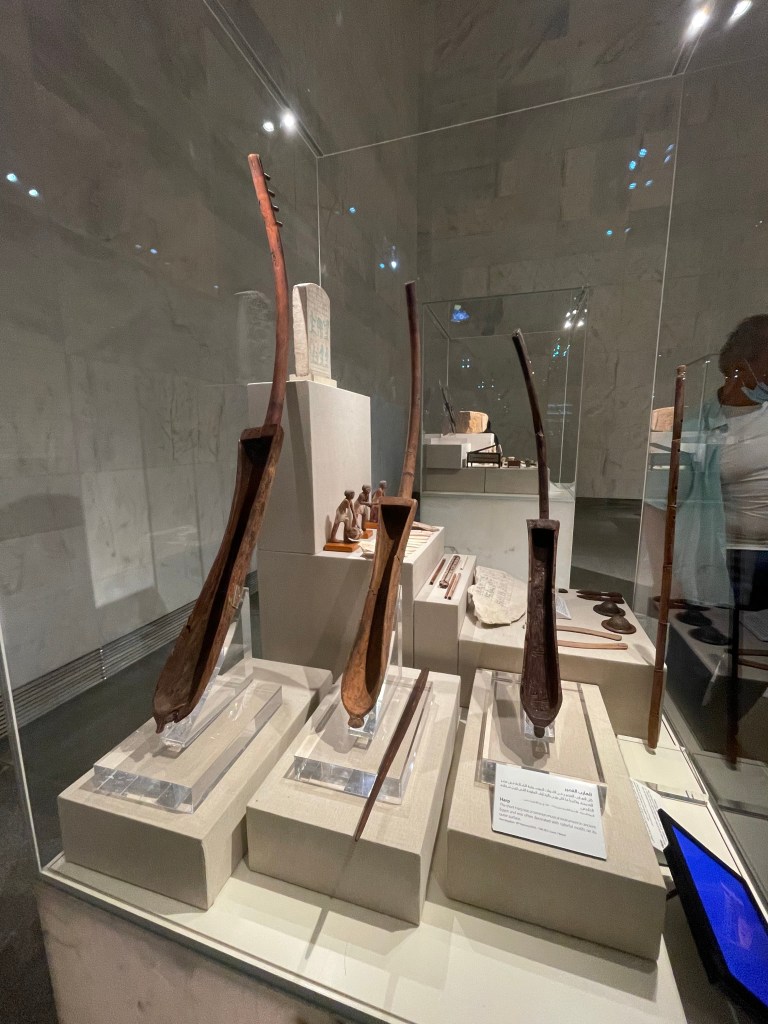
The Pharoah’s Golden Parade: This is where we studied the ancient Egyptian history and how is transformed from the Predynastic Period all the way up to the Islamic Period of the present or better known as the Republic following the Ottoman Empire. There was another phenomenal view of Cairo from the back of the museum.
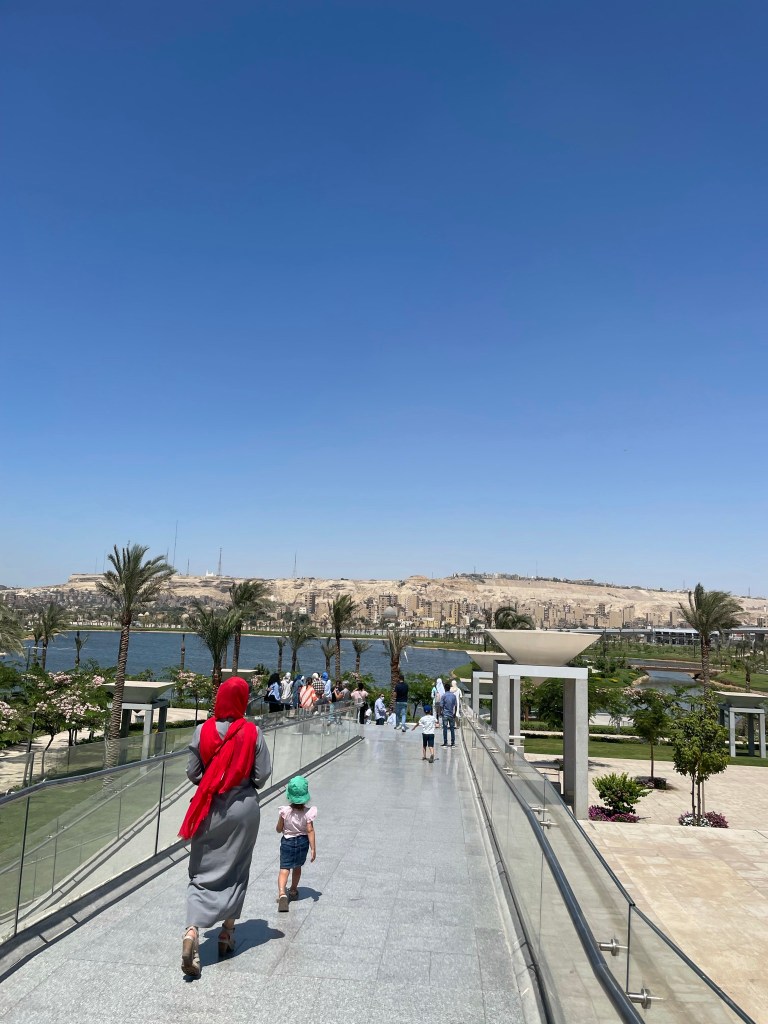
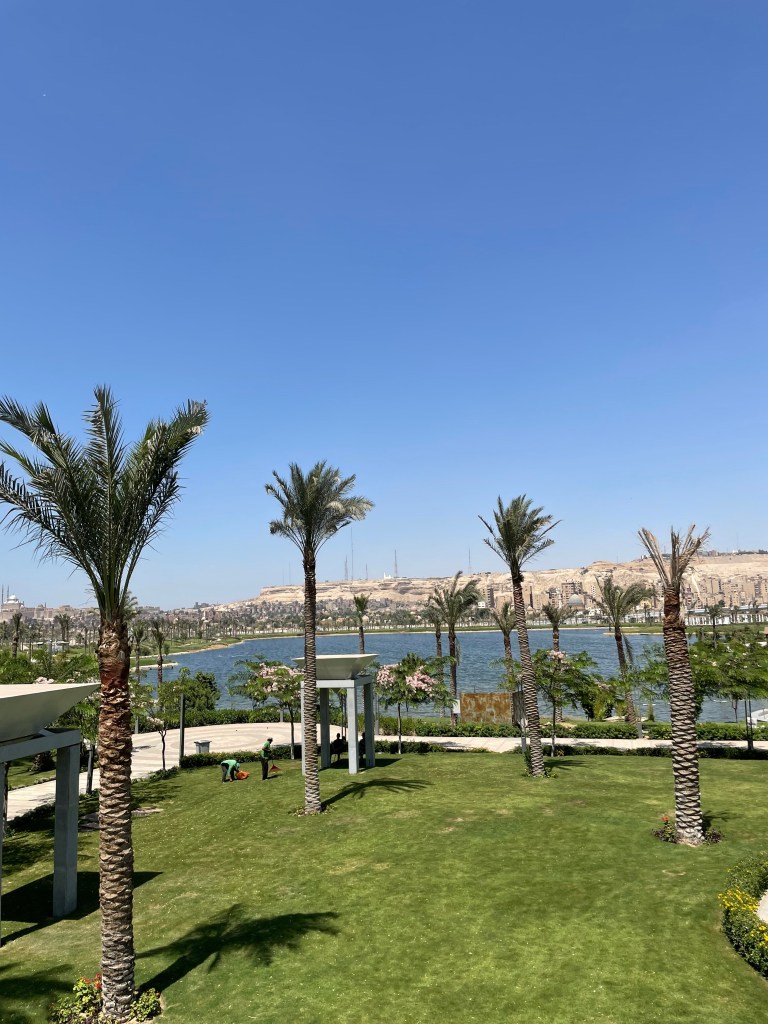
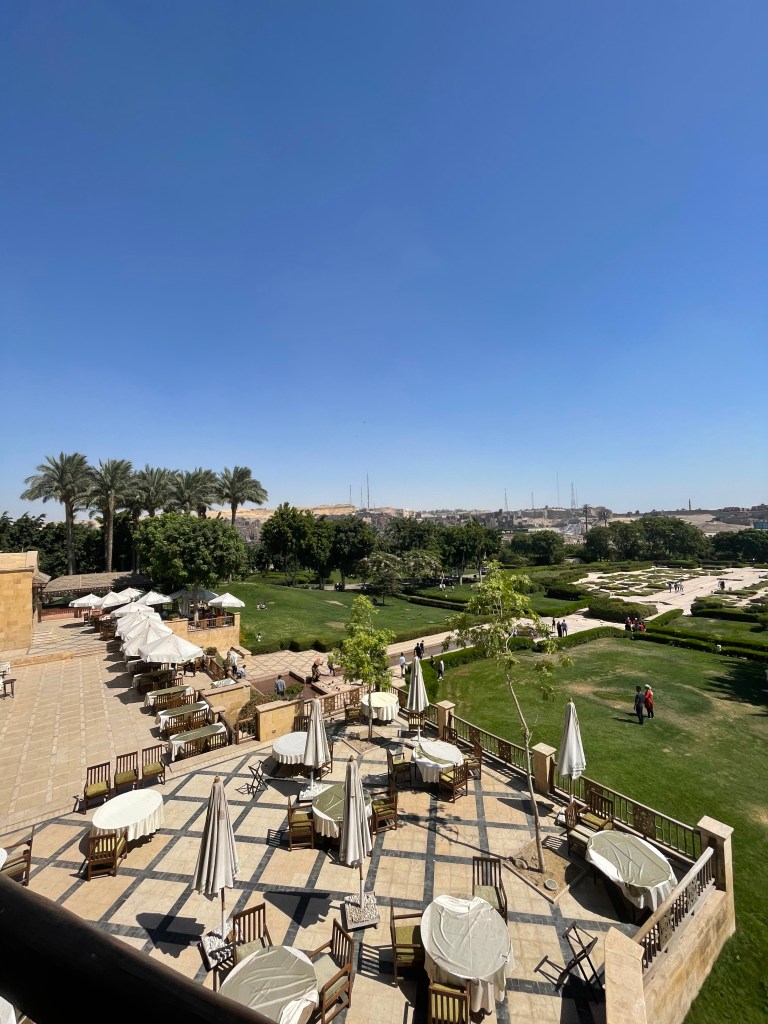
Studio Misr: We went to a restaurant inside al Azhar Park that served another traditional Egyptian meal where many of the Egyptian families went to spend the afternoon like Loose Park. It was so interesting and lovely to see those dressed completely different, celebrating different religions, playing in the park just as we do in the states.
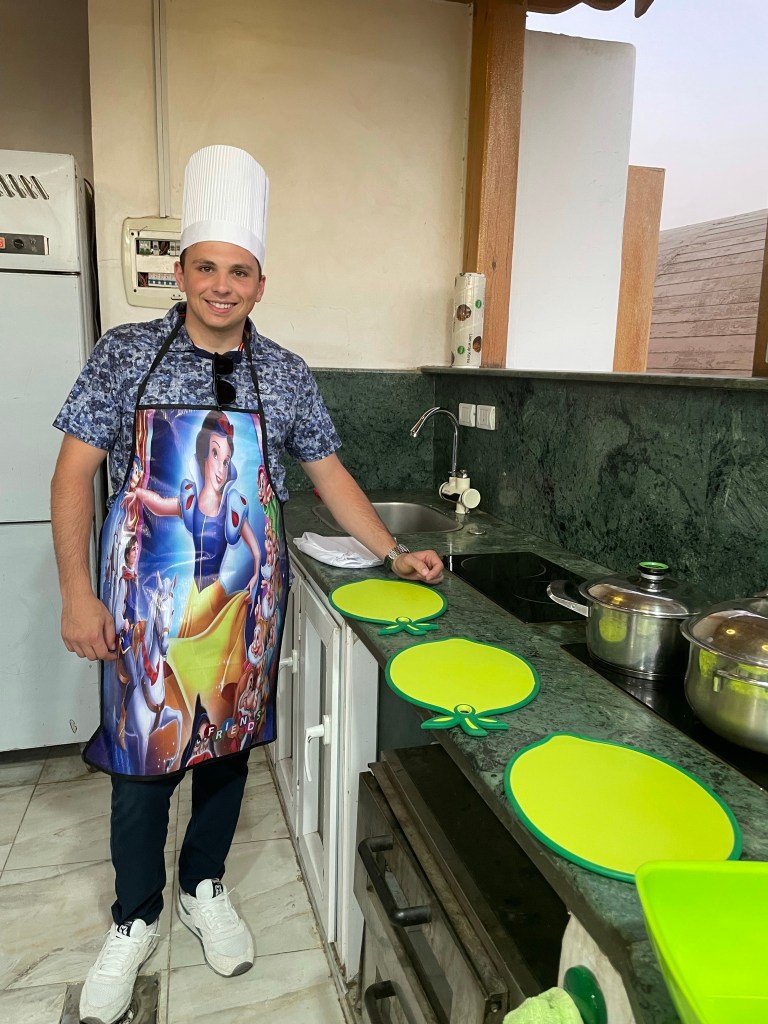
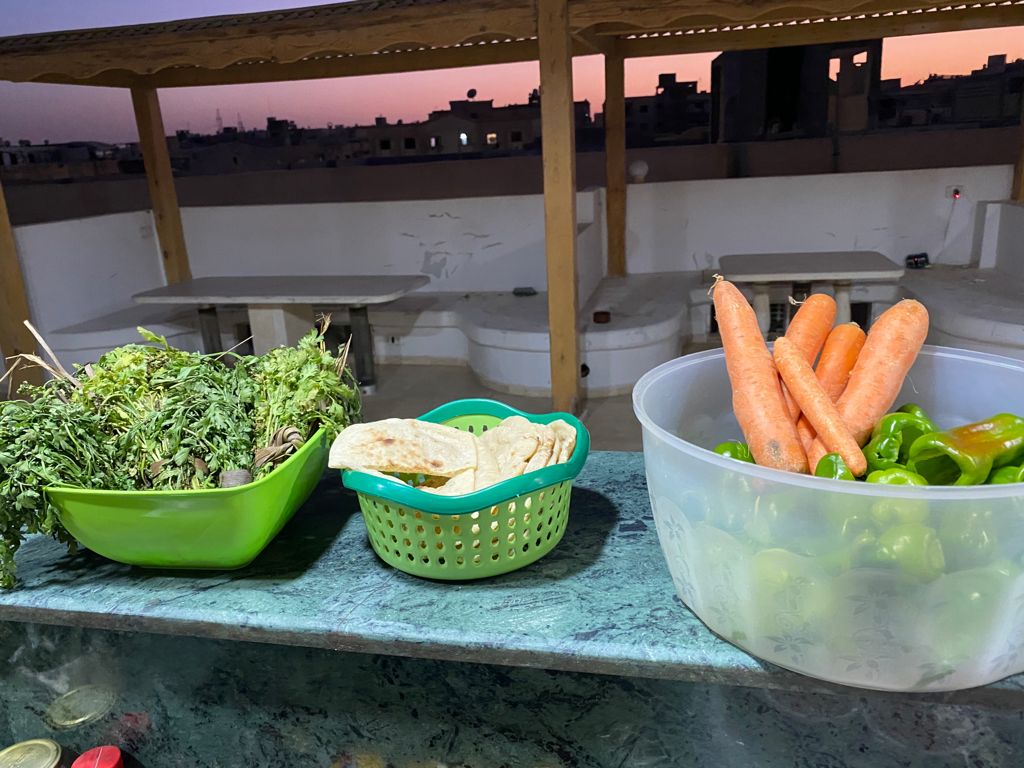
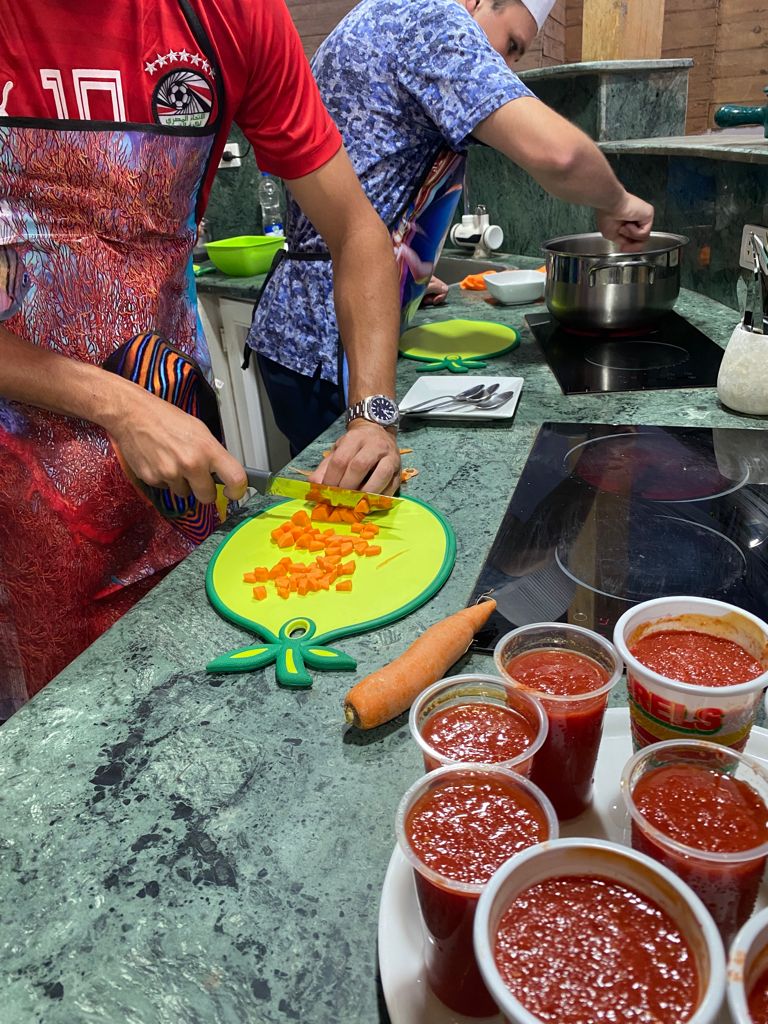
Night time cooking class: In the night we enjoyed a cooking class at our Tour Guides hotel, the Desert Moon, in front of the Pyramids where we cooked, Baba Ganoush, vegetable soup, crunchy bread, salad, rice, meat, and, Khafta, etc.
It was a wonderful sunset view of the Pyramids within a local neighborhood and some good company.
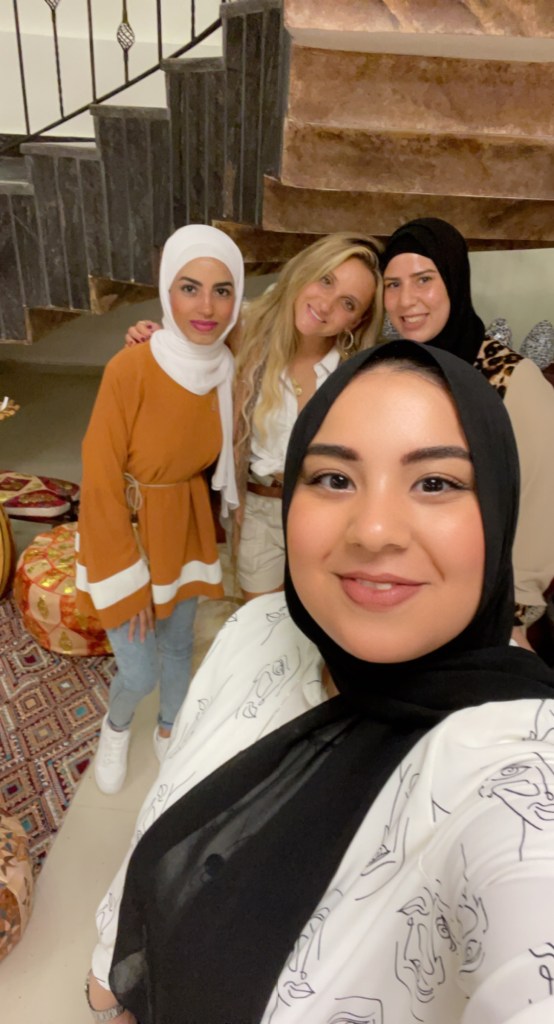
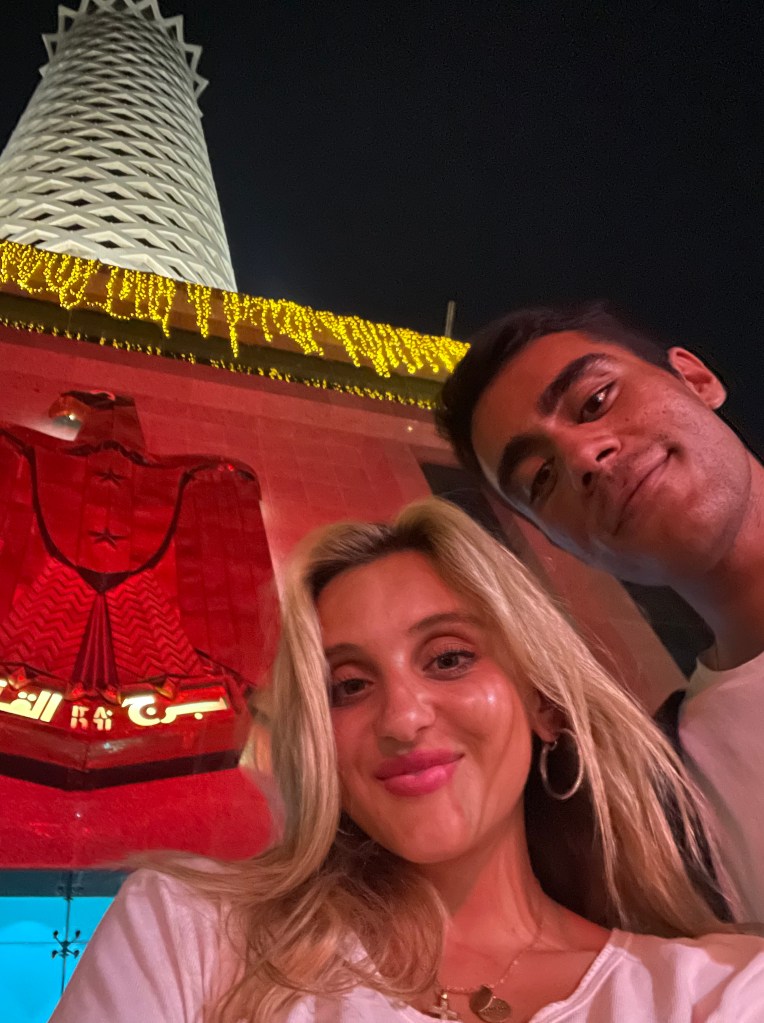
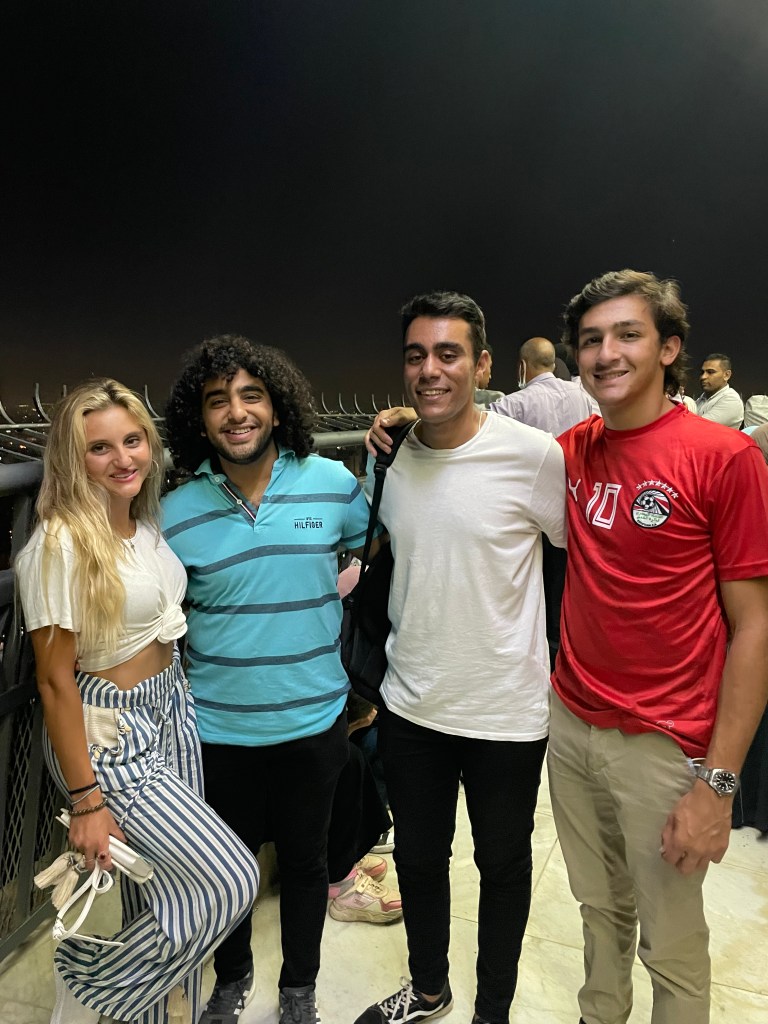
After dinner Spencer and I met up with friends from Cairo who studied in the US for a year. We went to the Cairo Tower, the Empire State Building of Cairo, saw the view of the city and had some drinks at the Sky Café. The tower is 187m high and was constructed in 1961. It was funded by Americans to buy US arms, but instead Nasser used the money for its construction. It takes the shape of a lotus flower and it one of the most popular places to visit in Cairo!
It takes an elevator get to the top, and boy do they crowd in more people than they should! I sure got friendly with the men and women to the right and left of me because I barely had any room to move my arms. There was not much space on the top either. I am fortunate that I adore the people here and they are genuinely curious to learn about Americans and to help in any way necessary. Close quarters was no biggie!









 Liv's Journey